Neighborhoods & Atmospheres of the city
Toronto’s neighborhoods are as varied as the people who call them home. Each district carries its own rhythm, architectural personality, and unspoken social codes that shape daily life in ways that transcend simple geography. Whether you’re choosing where to plant roots, searching for the perfect weekend exploration, or trying to decode the city’s invisible boundaries, understanding these atmospheric differences becomes essential to navigating Canada’s largest metropolis with confidence.
The challenge lies not in finding information about Toronto’s neighborhoods, but in understanding what that information actually means for your daily experience. Real estate listings won’t tell you about the social dynamics of Yorkville’s restaurant patios. Transit maps don’t reveal which streets feel welcoming at different times of day. This comprehensive look at Toronto’s districts examines the practical realities, cultural textures, and evolving identities that define living in and exploring this multifaceted city.
Decoding Toronto’s Distinct Neighborhood Personalities
Toronto’s neighborhoods reveal themselves through layers of cultural identity, demographic makeup, and what locals call “vibe”—that intangible quality that determines whether a place feels right for your lifestyle. Unlike cities with more rigid social geography, Toronto’s districts blend and shift, creating micro-communities within larger boroughs that can feel dramatically different just blocks apart.
Understanding cultural fit means looking beyond demographics sheets to observe who gathers in local coffee shops, what languages you hear at the grocery store, and whether the neighborhood’s pace matches your own. The Annex attracts academics and longtime residents who value its tree-lined streets and proximity to the University of Toronto, while Liberty Village draws young professionals seeking modern condos and a work-hard-play-hard atmosphere. Neither is objectively better—they simply serve different lifestyle preferences.
Demographic patterns tell part of the story but require nuanced interpretation. A neighborhood showing signs of change—new yoga studios replacing hardware stores, craft cocktail bars opening near longtime diners—indicates shifting populations and often rising costs. For some, this evolution brings welcome amenities; for others, it signals displacement and cultural loss. Observing these patterns helps you anticipate whether a neighborhood’s character will remain stable or transform significantly over the coming years.
Housing and Real Estate Realities Across Districts
Toronto’s housing market operates with bewildering variability across neighborhoods, where postal codes can add hundreds of dollars to monthly rent or hundreds of thousands to purchase prices. Understanding these dynamics requires looking beyond average statistics to the specific factors driving costs in each area.
Western Boroughs and Emerging Areas
The western boroughs—High Park, Roncesvalles, Junction Triangle—present a compelling case study in lifestyle versus affordability trade-offs. These areas typically offer more square footage per dollar than downtown cores, along with established European-influenced food cultures and robust parks. However, commute times to downtown employment centers increase, and you’ll find fewer late-night transit options compared to central districts.
When evaluating older housing stock in these areas, structural considerations become paramount. Many western borough homes date to the early twentieth century, bringing character through original hardwood and detailed woodwork, but also potential challenges with knob-and-tube wiring, aging plumbing, and foundation settling. Professional inspections matter more here than in newer condo developments, and renovation budgets should account for these period-home realities.
Understanding Price Premiums in Sought-After Zones
Certain Toronto neighborhoods command what real estate professionals call “location premiums”—price increases justified not by the physical property but by the address itself. The Annex, Leslieville, and particularly Yorkville demonstrate this principle clearly. A two-bedroom condo in Yorkville might cost 40-50% more than a comparable unit in North York, driven by proximity to luxury retail, established restaurants, and the district’s social cachet.
These premiums create fertile ground for rental scams in high-demand areas. Warning signs include listings priced suspiciously below market rates, landlords unable to show properties in person, and requests for deposits before viewing. Legitimate Toronto rentals rarely require payment before signed agreements and proper identification verification. When a Yorkville one-bedroom lists for the price of a basement apartment in Scarborough, healthy skepticism protects your finances.
Navigating Toronto’s Luxury Enclaves
Toronto’s upscale districts operate with distinct social dynamics that can feel opaque to newcomers. These aren’t mere shopping destinations but established communities with cultural expectations and access hierarchies worth understanding whether you’re visiting, living nearby, or seeking to engage with their exclusive amenities.
The Mink Mile Experience
Bloor Street’s luxury corridor—colloquially known as the Mink Mile—concentrates high-end retail, designer boutiques, and premium services between Yonge Street and Avenue Road. The experience here differs markedly from Toronto’s other shopping districts. Sales associates expect a certain level of product knowledge and purchasing intent. Window shopping is tolerated but noticeably less welcomed than in mass-market areas.
Accessing exclusive amenities as a non-resident requires strategic thinking. Many of Yorkville’s most appealing spaces—rooftop patios, members’ clubs, hotel lounges—technically remain semi-public but operate with soft gatekeeping through pricing and atmosphere. Upscale hotel bars like those at the Four Seasons or Hazelton Hotel welcome well-dressed visitors who respect the environment’s quieter energy, making them accessible entry points to this world without residence or membership requirements.
Social Etiquette and Unwritten Rules
Toronto’s elite neighborhoods maintain unspoken dress codes that function less as rigid requirements and more as cultural signals. Yorkville restaurants and bars expect smart-casual minimum—no athletic wear, no visible logos, no overly casual footwear. These standards aren’t posted but become apparent when observing regular patrons. Violating them won’t get you ejected but may affect service quality and comfort level.
Valet parking mishaps often stem from unfamiliarity with tipping expectations and retrieval protocols. Toronto’s luxury dining establishments expect $5-10 for valet services, with the tip provided when collecting your vehicle, not when dropping it off. Have small bills ready and your ticket accessible—fumbling for either disrupts the carefully choreographed flow these establishments maintain.
Practical Living Considerations Beyond Atmosphere
Daily life in Toronto neighborhoods involves navigating practical systems that vary significantly by district. These operational realities—parking regulations, school access, transit connectivity—shape your experience as much as cultural atmosphere does.
The permit parking system for residents operates differently across former municipalities, a complexity stemming from Toronto’s amalgamation. Downtown permits often cost more and come with restrictions about where on your street you can park. Some residential areas require permits only during specific hours, while others enforce 24/7 restrictions. Request complete parking information before signing any lease—this seemingly minor detail causes disproportionate frustration for new residents.
Families optimizing their search for school districts encounter Toronto’s dual challenge of ranking variability and program availability. Fraser Institute rankings provide one data point, but visiting schools, speaking with current parents, and understanding program specializations (French immersion, arts focus, STEM emphasis) matter more for finding the right fit. Popular schools often have strict catchment boundaries, making exact address crucial—sometimes a single block determines eligibility.
Commuter access from suburban areas involves calculating more than simple distance. A Mississauga resident might spend less time reaching downtown via GO Transit than someone living in North York relying on TTC subway connections during peak hours. Evaluate door-to-door commute times including walking segments, transfer points, and service frequency at your actual travel hours—not just the theoretical fastest route.
Neighborhood Change and Gentrification Patterns
Toronto’s neighborhoods exist in constant evolution, with some districts experiencing rapid transformation while others maintain remarkable stability. Recognizing the signs of change helps you make informed decisions about where these areas are heading.
The city’s historic arts corridors—Queen West particularly—demonstrate how cultural shift and economic drivers intertwine. What began as affordable studio space for artists becomes recognized as a creative district, attracting cafes and galleries. Success brings higher rents, pushing out the artists who created the initial appeal, replaced by chain retailers and luxury condos. This pattern has repeated through Parkdale, parts of Kensington Market, and segments of Queen East.
Visible signs of gentrification include: new coffee shops with minimal signage and premium pricing, fresh paint on previously weathered storefronts, construction cranes indicating condo development, and most tellingly, the displacement of longtime service businesses (laundromats, repair shops, ethnic grocers) by boutiques and restaurants. These changes arrive quickly once started, typically transforming a neighborhood’s character within five to seven years.
Understanding these patterns doesn’t require value judgments—some welcome the new amenities and improved infrastructure, while others mourn the loss of affordability and cultural authenticity. Both perspectives hold validity. The key is recognizing whether a neighborhood matches where you want to be in its evolution cycle.
Experiencing Neighborhoods Like a Local
Toronto’s districts reveal different personalities depending on when and how you visit them. Timing, seasonal variations, and insider knowledge separate tourist experiences from authentic neighborhood engagement.
Avoiding tourist-trap dining experiences requires venturing beyond the first block of any major street. King West’s best restaurants sit several blocks west of the main entertainment district. The Distillery District’s most interesting cafes hide in corners tourists rush past for the central courtyard. Local favorites rarely occupy the most prominent corner locations—premium rents force them to side streets where regulars find them through word-of-mouth.
Seasonal atmospheres transform neighborhoods dramatically. Kensington Market feels electric during summer street festivals but turns quiet and introspective during winter months. The Beaches attracts weekend crowds from across the city in warm weather but returns to local character once temperatures drop. Timing your visits to match your desired experience—vibrant and social versus calm and authentic—requires understanding these seasonal shifts.
Historic pedestrian zones like parts of Yorkville and the Distillery District present unique navigation considerations. Cobblestone surfaces and preserved infrastructure create atmospheric appeal but demand practical footwear choices. Photography enthusiasts should plan sessions for early mornings on weekdays to capture these areas without crowds—weekend afternoons bring masses of visitors that make meaningful photography nearly impossible.
Toronto’s neighborhoods offer countless layers waiting to be discovered, each district presenting its own balance of advantages, challenges, and cultural textures. Whether you’re choosing where to live, planning weekend explorations, or simply trying to understand this complex city better, approaching each area with curiosity and practical awareness unlocks experiences that generic recommendations miss. The best neighborhood for you exists somewhere in this diverse urban landscape—finding it requires patience, observation, and willingness to look beyond surface impressions to the rhythms that define daily life in each distinct corner of the city.
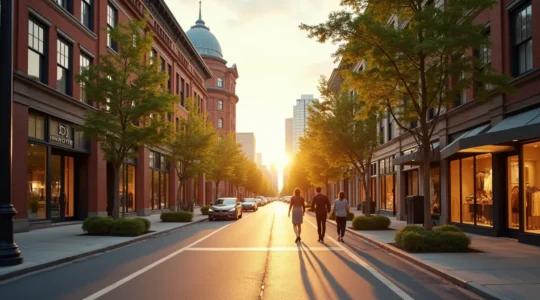
How to Navigate Yorkville’s Social Scene if You Aren’t a Millionaire?
The secret to conquering Yorkville isn’t wealth, but mastering the art of “social arbitrage”—getting maximum social value for minimum financial input. Success lies in decoding unspoken rules, from the “stealth wealth” dress code to the politics of patio seating. Strategic…
Read more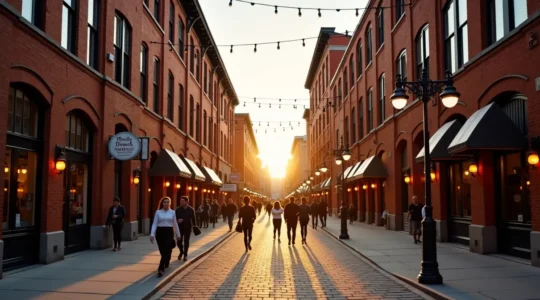
How to Visit the Distillery District Without Falling for Tourist Prices?
The Distillery District isn’t a quaint historic village; it’s a meticulously preserved industrial machine repurposed into a highly efficient commercial engine. Most “conveniences” like underground parking and main street access are designed as tourist funnels to maximize spending. True value…
Read more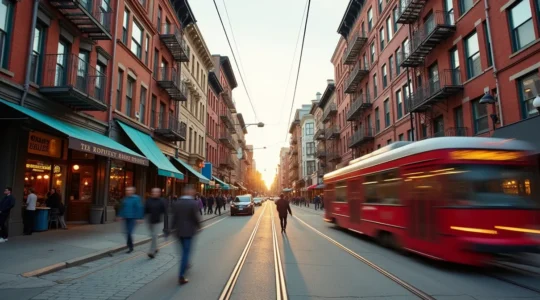
How to Experience the “Real” Queen West Amidst Big Brand Takeovers?
The soul of Queen West isn’t dead; it has simply migrated from the main-street storefronts to the spaces in between. Economic pressures like soaring property values and tax hikes have forced out many indie businesses, but not the creative spirit….
Read more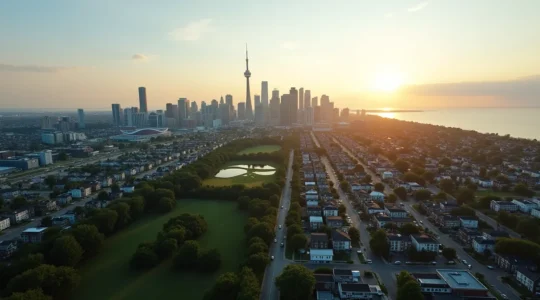
How to Choose the Right Toronto Neighborhood for Your Lifestyle?
Choosing a Toronto neighborhood is less about its current “vibe” and more about decoding its future trajectory to ensure it aligns with your long-term lifestyle. Observable signs like new coffee shops or business closures are direct indicators of economic shifts…
Read more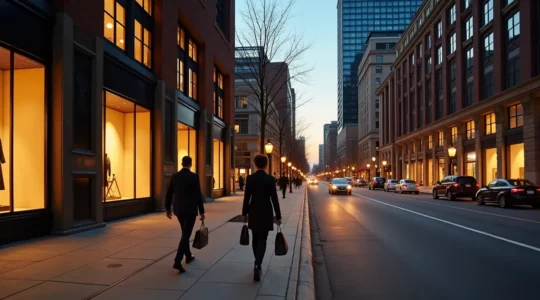
How to Experience Yorkville’s Luxury Vibe Without a Millionaire’s Budget
Experiencing Yorkville’s exclusive atmosphere isn’t about spending a fortune; it’s about understanding its cultural currency. Access is granted through strategic moments—like off-peak patio visits or a single drink at a key hotel bar—not massive spending. Your attire’s quality and fabric…
Read more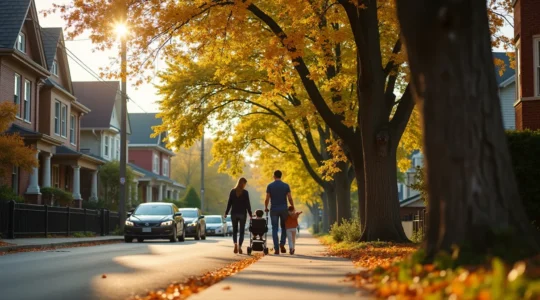
Is Moving to the West End Right for Your Young Family?
The move from a downtown condo to a West End house is a strategic trade-off, not a simple upgrade. The “dream” of a backyard comes with the realities of bidding wars, aging infrastructure, and intense competition for school spots. True…
Read more