In summary:
- Renovating an Edwardian home requires understanding its original building science, not just aesthetics.
- Key risks include outdated knob-and-tube wiring, improper insulation causing mold in double-brick walls, and deteriorating slate roofs.
- Focus on material compatibility, such as using breathable membranes and lime mortar, to integrate modern systems safely.
- Leverage Toronto-specific resources like Heritage Grants and the Home Energy Loan Program (HELP) to manage costs.
- A proactive, long-term maintenance plan is crucial to preserving the home’s value and integrity.
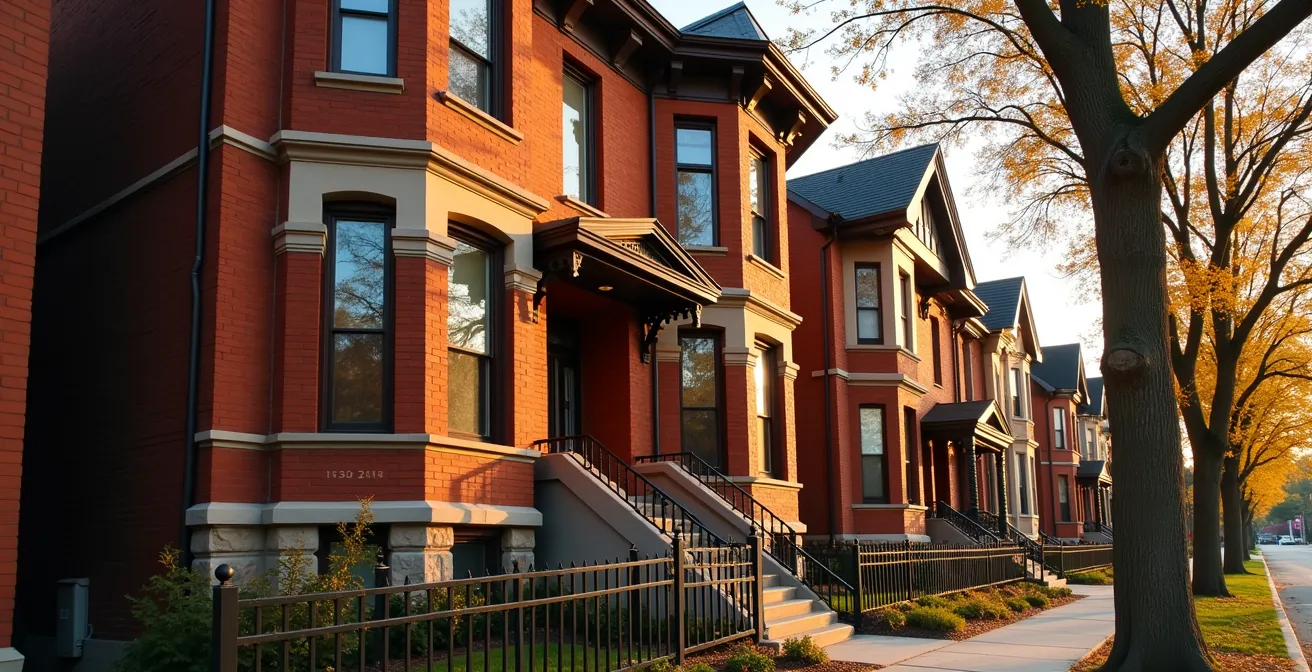
Owning an Edwardian home in a Toronto neighbourhood like The Annex or High Park is a custodianship of history. The generous proportions, solid construction, and quiet elegance are a world away from modern builds. Yet, the dream of preserving that charm often collides with the nightmare of hidden deficiencies: soaring heating bills, crumbling brick, and the omnipresent fear of outdated systems. Many homeowners believe the solution lies in a simple balancing act between old and new, updating kitchens and baths while carefully preserving original trim.
This approach, however, often misses the fundamental point. The most significant renovation mistakes aren’t aesthetic; they are technical. They stem from a failure to understand the building science of the 1901-1910 era. Imposing modern materials and systems onto a structure designed to breathe and shift in a completely different way can lead to catastrophic failures—trapped moisture, accelerated decay, and significant financial loss. The real challenge isn’t just preserving character; it’s about making modern life possible within a historic envelope without destroying it from the inside out.
But what if the key wasn’t to fight the house’s nature, but to work with it? The true art of an Edwardian renovation lies in integrating modern systems in a way that respects the home’s original design principles. It’s about understanding *why* knob-and-tube wiring is an insurance risk, *how* double-brick walls manage moisture, and *what* materials are compatible with a century-old structure. This guide moves beyond surface-level advice to provide a practical framework for renovating your Toronto Edwardian home, focusing on the critical systems that ensure its survival and your peace of mind for the next hundred years.
This article will guide you through the most pressing challenges faced by Toronto heritage homeowners. We’ll explore everything from electrical and insulation risks to facade restoration and long-term maintenance, providing you with the knowledge to make informed, strategic decisions.
Summary: Renovating Your Toronto Edwardian Home
- Why Do Insurers Hate Knob-and-Tube Wiring in Edwardian Houses?
- How to Apply for Heritage Grants to Restore Your Brick Facade?
- Edwardian vs. Victorian: Which Style Appeals More to Modern Buyers?
- The Insulation Error That Causes Mold in Double-Brick Homes
- When to Replace a Slate Roof to Avoid Winter Leaks?
- Why Do Heating Bills for Victorian Homes Spike So High in February?
- The Condo Fee Risk You Ignore When Buying Converted Factories
- How to Maintain a Victorian Home in Toronto Without Going Broke?
Why Do Insurers Hate Knob-and-Tube Wiring in Edwardian Houses?
For many owners of Edwardian homes, the first sharp intake of breath comes not from a contractor’s quote, but from an insurance broker’s. The presence of knob-and-tube (K&T) wiring is often a deal-breaker for insurers, or at the very least, a trigger for steep premiums. This isn’t simply because it’s old. The primary concern is the system’s incompatibility with modern life. K&T wiring was designed for a time with minimal electrical load—a few lights, perhaps a radio. It lacks a ground wire, a fundamental safety feature in modern circuits, which increases the risk of shock and electrical fires.
The second major issue is its insulation. The original rubberized cloth insulation becomes brittle and deteriorates over a century, leaving live wires exposed within wall cavities. Worse, K&T was designed to dissipate heat in open air. When modern insulation is blown into walls, it smothers the wires, creating a dangerous fire hazard. This combination of factors makes it a significant liability. In fact, this increased risk means that insurance costs can be 20-30% higher for older Toronto homes with such outdated systems.
Addressing K&T wiring is non-negotiable for safety and insurability. The process is disruptive, often requiring holes in original lath-and-plaster walls, but it can be managed strategically. A successful upgrade, like the one Solares Architecture performed on a Riverdale Edwardian, involves carefully “fishing” new wiring through wall cavities to minimize damage. They managed to upgrade the entire system while preserving the home’s aesthetic, proving that modernization doesn’t have to mean destruction. A phased replacement, prioritizing high-load areas like kitchens and laundry rooms, can make the project more financially manageable.
How to Apply for Heritage Grants to Restore Your Brick Facade?
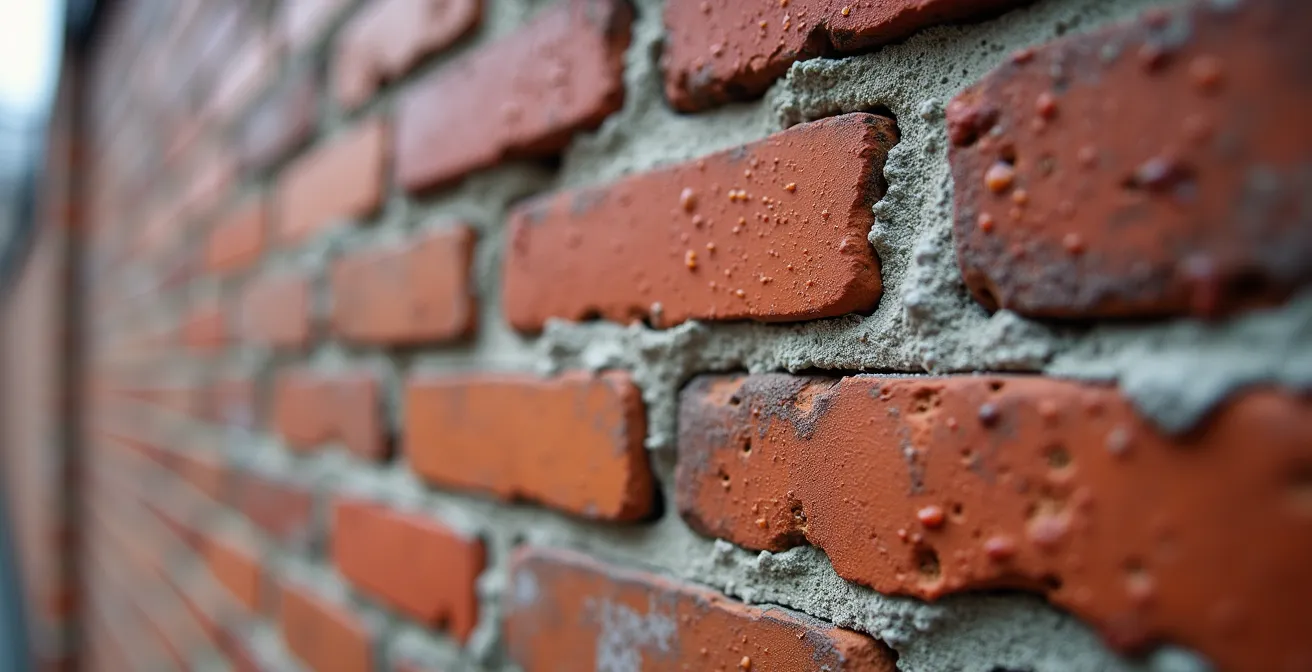
The brick facade is the face of your Edwardian home, but a century of Toronto weather can take its toll. Spalling, cracked bricks, and crumbling mortar are not just cosmetic issues; they are signs that the building’s first line of defense against moisture is failing. A common mistake is “fixing” it with modern, hard Portland cement mortar. This material is too rigid and non-permeable for soft, historic brick. It traps moisture, causing the faces of the bricks to pop off (spall) during freeze-thaw cycles, accelerating the decay it was meant to prevent.
Proper restoration requires repointing with a traditional, breathable lime-based mortar that matches the original in strength and composition. This is specialized, painstaking work. Fortunately, if your home is in one of Toronto’s Heritage Conservation Districts, you may be eligible for financial assistance. The City of Toronto’s Heritage Grant Program offers funding to help offset the cost of these crucial repairs. According to heritage home specialists, homeowners can receive up to $15,000 through City of Toronto heritage grants for facade restoration work.
The application process requires diligence. First, you must verify your property’s heritage status with Toronto’s Heritage Preservation Services. Before any work begins, you will need a Heritage Alteration Permit. The application itself typically requires detailed quotes from contractors experienced in heritage masonry, historical photos of your property, and a clear plan for the restoration. The approval process can take 8-12 weeks, so planning well in advance is essential. This investment of time ensures the work is done correctly, preserving both your home’s integrity and its historic value.
Edwardian vs. Victorian: Which Style Appeals More to Modern Buyers?
While often grouped together, Victorian and Edwardian homes represent two distinct philosophies of living. Understanding their differences is key to appreciating your own home’s strengths, particularly in the competitive Toronto real estate market. Victorian architecture (roughly 1880-1901), with its ornate details, asymmetrical facades, and compartmentalized rooms, reflects a formal, segmented lifestyle. Toronto’s Cabbagetown is filled with classic “Bay-and-Gable” examples, known for their narrow lots and darker interiors.
The Edwardian era (1901-1910) was a reaction to Victorian fussiness. It embraced simplicity, airiness, and light. Edwardian homes, like the “Four-Square” style common in The Annex, are typically wider, with more symmetrical layouts, larger windows, and a more open feel. Ceilings are often consistently high (around 9.5 feet), and floor plans flow more logically, anticipating a more relaxed, modern family life. This inherent simplicity often makes them more adaptable for contemporary renovations.
This difference in layout and philosophy has a direct impact on their appeal to modern buyers. As Gloria Apostolou of Post Architecture notes, “Edwardian homes often offer a better ‘blank slate’ for modern additions due to their simpler forms.” While Victorian homes attract purists who love intricate historical details, Edwardian properties are often favoured by families who want historic character without sacrificing the open-concept feel and natural light that define modern living.
The following table, based on an analysis of the Toronto market, breaks down these key differences:
| Feature | Victorian (1880-1901) | Edwardian (1901-1910) |
|---|---|---|
| Toronto Examples | Bay-and-Gable style in Cabbagetown | Four-Square style in The Annex |
| Layout | Narrow, compartmentalized rooms | Wider, open floor plans with 9.5ft ceilings |
| Natural Light | Smaller windows, darker interiors | Larger windows, brighter spaces |
| Renovation Potential | Challenging due to complex ornamental details | Easier to modernize with simpler forms |
| Market Appeal | Appeals to heritage purists | Preferred by families seeking modern functionality |
The Insulation Error That Causes Mold in Double-Brick Homes
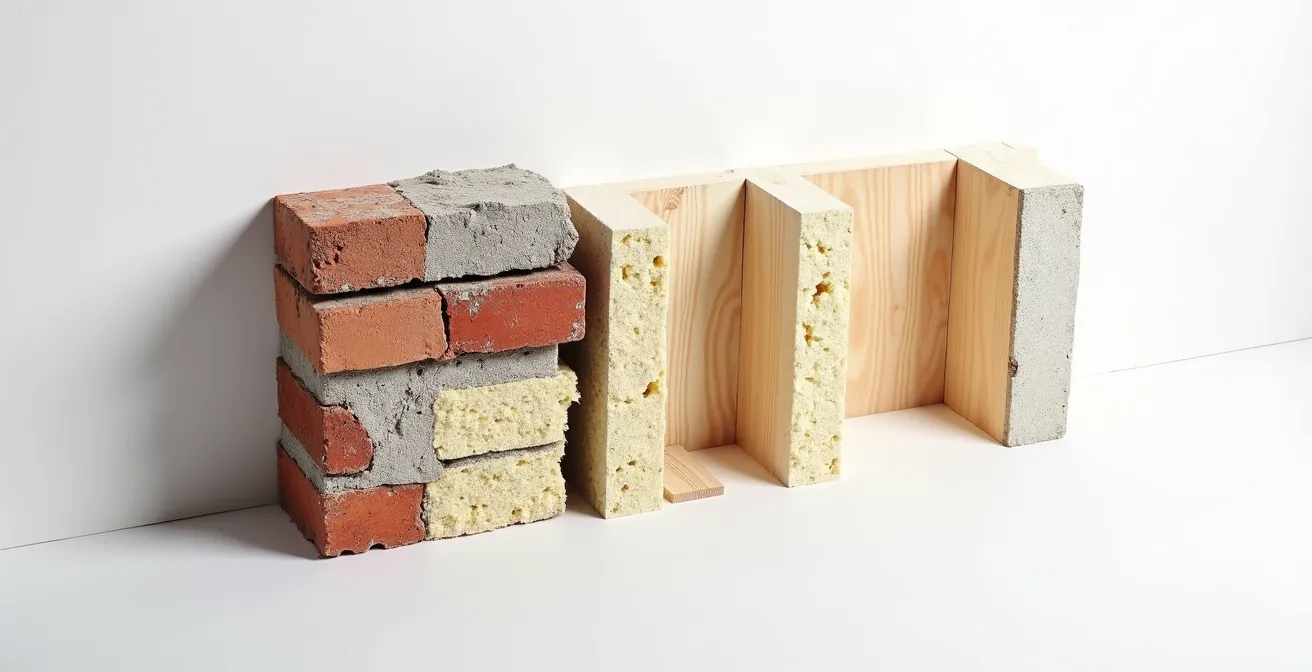
One of the most catastrophic and counter-intuitive renovation mistakes in a Toronto Edwardian home involves insulation. The original double-brick, or “masonry,” walls were never designed to be insulated from the inside. They are a dynamic system. The outer layer of brick gets wet in the rain, and the inner layer allows that moisture to dry harmlessly towards the interior. It’s a breathable design that has worked for over a century. The fatal error is trying to “seal” this wall with modern, non-permeable materials like a polyethylene vapour barrier or closed-cell spray foam insulation.
When you add a plastic vapour barrier, you trap moisture inside the wall cavity. The brick can no longer dry to the inside. In winter, warm, moist interior air hits the cold plastic, condenses, and runs down into the wall, creating a perfect breeding ground for black mold. It also saturates the wood lath, causing plaster to fail and the wall structure to rot. You’ve essentially turned a breathable, durable wall system into a terrarium for mold. This is not just a health hazard; it’s a structural one that can cost tens of thousands of dollars to remediate.
Case Study: A Breathable Solution for a Double-Brick Edwardian
A renovation project featured in Dwell magazine faced this exact challenge. To achieve a highly insulated envelope without using environmentally impactful spray foam, the team chose an innovative approach. As the project details, they used a rubberized, liquid-applied, vapour-permeable membrane on the interior face of the brick. This created a continuous air barrier that stopped drafts but still allowed the wall to breathe and dry out. The result was superior energy efficiency and interior comfort, without the risk of trapping moisture and creating mold. This demonstrates a core principle: work *with* the wall’s nature, don’t fight it.
The correct approach is to use only breathable insulation materials, such as mineral wool or open-cell alternatives, and to pair them with a smart, vapour-permeable air barrier. This maintains the wall’s ability to dry out while still improving its thermal performance. Blower door tests should be conducted before closing up the walls to ensure the air barrier is continuous and effective.
When to Replace a Slate Roof to Avoid Winter Leaks?
A slate roof is the crowning glory of an Edwardian home—durable, beautiful, and designed to last a century or more. However, “a century or more” is not “forever.” For many Toronto homes built around 1910, that lifespan is nearing its end. The decision of when to repair versus replace a slate roof is one of the most significant financial choices a heritage homeowner will make, and timing is everything, especially with Toronto’s harsh freeze-thaw cycles.
The key is to move from reactive repairs to a proactive assessment. Don’t wait for a leak to appear in your ceiling. Signs that your roof is nearing the end of its life include:
- Slipping or missing slates: This often indicates the iron nails holding them have rusted through.
- Delamination: If you see thin layers of slate flaking off, it means the stone itself is becoming porous and failing.
- Significant rust on flashing: The metal flashing in valleys and around chimneys is a weak point. Once it fails, water gets in, rotting the roof deck underneath.
The best time to have your roof professionally inspected is in the late summer or early fall. This gives you time to schedule work before winter sets in. A single broken slate can be replaced, but if you have widespread nail failure or delamination, you are likely facing a full replacement. Trying to patch a systemically failing roof is a false economy; you will spend money every year chasing new leaks. Replacing a slate roof is a major investment, but it protects the entire structure beneath it. It’s crucial to find a roofer in the Toronto area with specific experience in slate, as it’s a craft that requires specialized tools and knowledge.
Why Do Heating Bills for Victorian Homes Spike So High in February?
While this article focuses on Edwardian homes, many of their architectural cousins, the Victorian houses, share a common winter misery: astronomical heating bills, especially in February. This isn’t a coincidence. February in Toronto is often the month when the cumulative effect of a long, cold winter hits its peak. The ground is frozen solid, winds are relentless, and any weakness in the home’s thermal envelope is brutally exposed.
The primary culprits are the same in both Victorian and Edwardian homes: a complete lack of insulation and leaky original windows. Heat doesn’t just seep out; it hemorrhages. Single-pane glass in beautiful but drafty sash windows, uninsulated attics, and those uninsulated double-brick walls create a perfect storm of energy loss. The furnace runs constantly, trying to heat a house that is actively losing that heat to the outside. This is why heritage homeowners often feel like they’re just “heating the neighbourhood.”
The good news is that targeted upgrades can have a dramatic effect. According to Toronto heritage renovation specialists, modern insulation and high-efficiency systems can reduce heating costs by up to 40%. The key is a strategic approach. Start with the biggest returns on investment. An energy audit can pinpoint the worst areas of heat loss, but typically, the most effective upgrade is attic insulation. Since heat rises, sealing and insulating the attic provides the single biggest bang for your buck. Next, focus on draft-proofing original windows with weatherstripping and adding custom storm windows. For larger projects, Toronto’s Home Energy Loan Program (HELP) can provide financing to make these upgrades more accessible.
The Condo Fee Risk You Ignore When Buying Converted Factories
The appeal of a heritage loft conversion in Toronto—think the Candy Factory Lofts or the Tip Top Tailors building—is undeniable. They offer soaring ceilings, huge windows, and a tangible connection to the city’s industrial past. However, many buyers focus on the purchase price and overlook a significant financial risk hiding in plain sight: the condo fees. Maintenance fees in heritage conversions are often substantially higher than in new builds, and they carry a much greater risk of sudden, massive increases known as special assessments.
The reason is simple: you are collectively responsible for maintaining a century-old building envelope. While a new condo tower has predictable maintenance cycles, a heritage loft has to contend with repointing vast brick facades, replacing thousands of custom-sized historic windows, and maintaining aging roof structures. When a building has a heritage designation, these repairs must adhere to strict standards, which dramatically increases their cost. These inevitable, high-cost projects are funded through the condo’s reserve fund, and if the fund is inadequate, every owner faces a special assessment.
A careful review of the condo’s status certificate and reserve fund study is non-negotiable before buying. The study should show a clear plan for funding future capital repairs. A low condo fee might seem attractive, but it can be a red flag for an underfunded reserve that is simply kicking a multi-million-dollar problem down the road. The following table highlights the difference in risk and cost for Toronto buyers.
| Building Type | Average Fee/sq ft | Common Issues | Special Assessment Risk |
|---|---|---|---|
| Heritage Loft Conversion | $0.75-$1.10 | Facade repairs, window replacement | High – heritage requirements increase costs |
| New Build Condo | $0.55-$0.75 | Standard maintenance | Low – predictable costs |
| Examples | Candy Factory Lofts | King West condos | Review Reserve Fund Study carefully |
Key takeaways
- Systemic Understanding: Successful renovation hinges on respecting the original building science of your Edwardian home, especially how it manages moisture.
- Prioritize the Envelope: The most critical investments are in the building envelope—roof, brick facade, and proper insulation—as they protect the entire structure.
- Financial Diligence: Factor in hidden costs like knob-and-tube replacement and research Toronto-specific financial aids like heritage grants to create a realistic budget.
How to Maintain a Victorian Home in Toronto Without Going Broke?
The reality of owning a heritage home, whether Edwardian or Victorian, is that it’s a marathon, not a sprint. The “set it and forget it” mindset of a new build simply does not apply. The key to maintaining these beautiful properties without being bankrupted by a series of cascading emergencies is to shift from a reactive to a proactive maintenance model. This means having a plan, a budget, and a realistic timeline.
Instead of dealing with problems as they arise, a rolling maintenance plan allows you to anticipate and budget for major expenses over a five or ten-year period. This prevents the shock of having to replace a roof and rebuild a foundation in the same year. It transforms overwhelming costs into manageable, planned investments in your property’s value and longevity. It is the single most effective strategy for making heritage home ownership sustainable.
Your plan should be tailored to your specific home, but it will generally involve cyclical inspections and planned work on the major systems: the roof and gutters, the brick and foundation, the electrical and plumbing systems, and the building envelope (windows and insulation). Committing to this structured approach is the difference between being a stressed homeowner and a confident custodian of a piece of Toronto’s history.
Your 5-Year Rolling Maintenance Plan
- Year 1: Envelope Check. Conduct a roof inspection before winter and a foundation check after the spring thaw to catch issues early.
- Year 2: Exterior Finishes. Schedule exterior painting during the dry summer months and begin any necessary restoration of original wood windows.
- Year 3: Electrical Review. Have an ESA-certified electrician review the system and plan for updating any remaining sections of knob-and-tube wiring.
- Year 4: Plumbing Inspection. Inspect the plumbing system, particularly looking for any remaining galvanized pipes that may be at risk of corrosion and failure.
- Year 5: Energy Efficiency Audit. Schedule a professional energy audit to identify heat loss and review the overall envelope, including insulation and air sealing.
To truly succeed in this endeavour, the next logical step is to translate this five-year plan into a detailed annual budget, setting aside funds specifically for these anticipated capital expenditures. This financial discipline is what ultimately protects both your investment and your peace of mind.