
Getting the true 5-star experience in Toronto isn’t about finding discounts; it’s about leveraging insider knowledge to unlock perks the average guest misses.
- Direct booking is non-negotiable for elite recognition and personalized service that third-party sites can’t offer.
- Your premium credit card’s hidden benefits and an understanding of hotel operations are your most powerful tools for securing suite upgrades.
Recommendation: Treat the hotel concierge as your strategic partner, not a transactional service desk, to access the city’s most exclusive experiences and maximize the value of your stay.
For the discerning traveler, the sticker price of a five-star hotel in Toronto—whether it’s the Shangri-La, St. Regis, or Four Seasons—isn’t the primary concern. The real question is one of value. Are you truly getting the full, seamless, memory-making experience that the premium rate promises? Many travelers try to game the system with the usual advice: book off-season, hunt for last-minute deals, or trawl aggregator sites. These are tactics for finding a cheaper room, not for unlocking a better experience.
The truth is, the most valuable perks—the spontaneous suite upgrade, the impossible-to-get dinner reservation, the genuine recognition from staff—are rarely advertised. They are the result of a hidden operational language spoken between the hotel and its most valued guests. This guide is not about saving a few dollars. It’s about mastering the system. It’s a playbook for the luxury travel hacker who understands that true value isn’t about paying less, but about getting more. Much more.
We’ll move beyond the platitudes and into the mechanics of elite hospitality. You will learn to transform your stay from a simple transaction into a strategic investment in an unforgettable experience. This involves understanding fee structures, leveraging credit card perks intelligently, and knowing precisely who to talk to—and what to say—to signal that you’re an insider. By mastering these principles, you will ensure every dollar spent returns maximum value.
For those who prefer a visual introduction, the following video showcases the kind of seamless ground transport that perfectly complements a 5-star hotel stay, setting the tone for an end-to-end premium journey.
This article provides a detailed roadmap for transforming your approach to luxury travel in Toronto. From deciphering your bill to navigating the city’s most exclusive social scenes, each section offers insider strategies to elevate your experience from standard to exceptional.
Contents: Your Playbook for Hacking Toronto Luxury
- Why Do Toronto Luxury Hotels Charge a “Destination Marketing Fee”?
- How to Use Credit Card Perks to Get a Suite Upgrade?
- Four Seasons vs. Ritz-Carlton: Which Spa Offers Better R&R?
- The Third-Party Booking Mistake That Ruins Your Concierge Service
- When is the Cheapest Month to Book a 5-Star Stay in Toronto?
- Sassafraz vs. ONE: Which Patio Is Best for People Watching?
- Holt Renfrew vs. Saks Fifth Avenue: Which Offers Better Personal Shopping?
- How to Navigate Yorkville’s Social Scene if You Aren’t a Millionaire?
Why Do Toronto Luxury Hotels Charge a “Destination Marketing Fee”?
First, let’s demystify a common point of confusion on your hotel bill: the “Destination Marketing Fee,” officially known as the Municipal Accommodation Tax (MAT). It’s easy to view this as an arbitrary hotel cash-grab, but it’s a legislated city-wide tax, not a discretionary fee. Understanding this is the first step in shifting from a frustrated guest to an informed insider. This isn’t a junk fee; it’s a mandatory tax that funds the very tourism infrastructure—festivals, events, and marketing—that makes Toronto a vibrant destination.
According to the City of Toronto’s official page, there is an 8.5% temporary Municipal Accommodation Tax rate in effect until July 2026, on top of which the 13% HST is applied. Your hotel is simply the collector. The key is to see this not as a loss, but as an investment in the city. The strategic traveler asks, “How can I get a return on this tax?” The answer lies in engaging with the services it funds. Ask the concierge about exclusive hotel partnerships or access to events that are a direct result of this tourism revenue. This turns a mandatory cost into a potential source of unique experiences.
On your bill, the MAT must be shown as a separate line item from the room charge. It’s a non-negotiable part of your stay, unless your visit exceeds 30 consecutive days, in which case you are exempt. Instead of resenting it, reframe it: this tax is part of what sustains the high-quality environment you’ve come to enjoy. The real “hack” is to leverage the fruits of that tax to your advantage, making your trip richer.
How to Use Credit Card Perks to Get a Suite Upgrade?
The single most powerful tool for unlocking value is not a discount code; it’s the premium credit card in your wallet. But simply having an Amex Platinum or Visa Infinite Privilege isn’t enough. You must understand the art of “perk stacking” and “status signaling” to get the coveted suite upgrade. The common mistake is expecting an upgrade to happen automatically. The reality is that front desk managers have discretion, and they award upgrades to guests who represent the most value to the hotel.
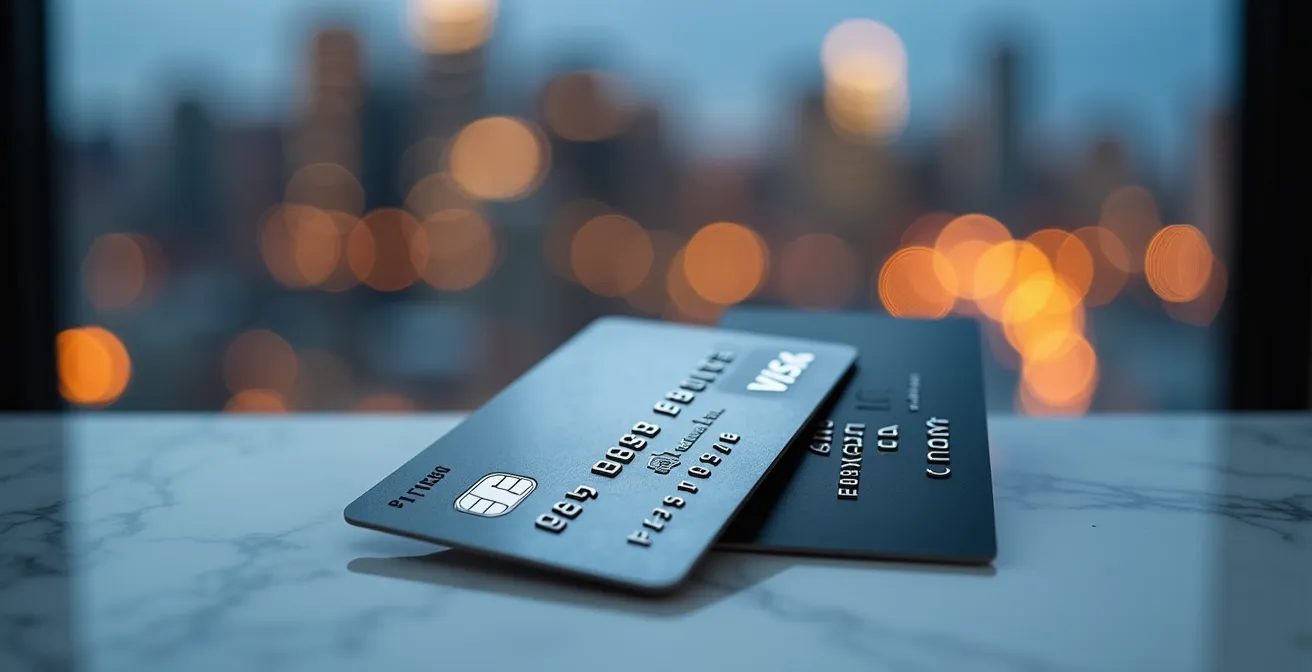
As the image suggests, the key to the best room is often linked to the card you use. Booking through programs like American Express Fine Hotels + Resorts (FHR) or Virtuoso is the ultimate signal. It tells the hotel you’re a serious traveler and often comes with a guaranteed 4 PM late check-out, complimentary breakfast, and a room upgrade upon availability. This is where you can be strategic. A simple request for a “one-category upgrade as per the FHR benefit” upon check-in is far more effective than a vague plea for a “free upgrade.” The hotel is contractually obligated to try and fulfill it. The best day to try this is often a Saturday, when business travelers have checked out, freeing up premium inventory.
Furthermore, combine this with your hotel loyalty status (Marriott Bonvoy, Hilton Honors). When booking, ensure your loyalty number is on the reservation. A pre-arrival email to the front office manager mentioning you’re celebrating a special occasion and are looking forward to your stay as a “loyal Bonvoy Titanium FHR guest” is a masterclass in status signaling. It’s polite, specific, and communicates your value without being demanding. This is how you move from the standard room you booked to a junior suite with a view.
Four Seasons vs. Ritz-Carlton: Which Spa Offers Better R&R?
In Toronto’s luxury hotel scene, the spa experience is a critical battleground. For those seeking the ultimate in relaxation and rejuvenation, the choice often comes down to two titans: the Four Seasons Hotel Toronto and The Ritz-Carlton, Toronto. The “better” option depends entirely on your personal definition of R&R. Are you seeking an oasis of serene, intuitive service, or an opulent sanctuary of lavish facilities?
The Four Seasons, the brand’s global flagship, is the embodiment of service-driven luxury. It’s less about flashy amenities and more about a deeply personalized, flawless experience. The spa here is a sprawling 30,000-square-foot haven, but its true strength lies in the staff’s ability to anticipate your needs. It’s the quiet confidence of an institution that has perfected the art of hospitality.
MICHELIN Guide’s Verdict on the Four Seasons
The MICHELIN Guide’s assessment highlights this perfectly. In awarding the Four Seasons Toronto Two Keys, the guide emphasized that as the brand’s birthplace, this property sets the global standard. The spa and wellness center were noted as standout features, but the guide’s core praise was for its exceptional service, calling it the hotel’s “greatest strength.” Choosing the Four Seasons spa is choosing a legacy of service excellence.
Conversely, The Ritz-Carlton focuses on tangible opulence. It’s an experience designed to impress with its sheer scale and luxurious features. As Elite Traveler Magazine points out, it’s a destination in itself:
The Ritz-Carlton, Toronto features a 16,000-sq-ft wellness sanctuary with 16 treatment rooms, an aroma-infused vitality pool and a relaxation lounge
– Elite Traveler Magazine, Elite Traveler’s Best Hotels in Toronto Guide
The choice is clear: for a deeply personal, service-focused retreat where you feel catered to, the Four Seasons is unparalleled. For an immersive experience in a palatial wellness facility where the amenities are the star of the show, The Ritz-Carlton delivers spectacular R&R.
The Third-Party Booking Mistake That Ruins Your Concierge Service
Here is one of the most critical and least-understood rules of luxury travel hacking: booking through a third-party aggregator site (like Expedia, Booking.com, or Kayak) is the single biggest mistake you can make if you care about service. While these sites might occasionally offer a slightly lower rate, you are effectively telling the hotel you are a one-time, price-sensitive customer. You become an anonymous reservation number, not a valued guest. Your ability to leverage the hotel’s most powerful asset—the concierge—is immediately compromised.
When you book direct, the hotel has a higher profit margin on your stay and a direct relationship with you. This gives them a vested interest in your satisfaction. You are now a guest they want to retain. The concierge is not just a person who books tours; they are your “Concierge Catalyst,” a strategic asset for unlocking the city. They can secure last-minute tables at sought-after restaurants like Alo or Prime Seafood Palace, arrange for private shopping experiences, and solve problems you didn’t even know you had. Guests who book through third-party sites are at the bottom of the priority list for these high-touch services.
To truly activate your Concierge Catalyst, you must not only book direct but also engage proactively. This is about building a relationship before you even arrive.
Action Plan: Auditing Your Concierge’s Potential
- Book Smart: Always book directly with the hotel or through a premium program like Amex FHR or Virtuoso that the hotel values.
- Initiate Contact: Find the hotel’s Front Office Manager or Head Concierge on LinkedIn and send a brief, polite message introducing yourself before your arrival.
- Signal Your Status: In your communication, mention your elite loyalty status (Marriott, Hilton, etc.) and if you are celebrating a special occasion.
- Test Their Capability: Make a specific, challenging request for a hard-to-get reservation. This shows you understand their value and tests their network.
- Leverage Loyalty: Explicitly state your loyalty program status. This immediately flags you as a repeat, high-value guest worthy of extra attention.
Following this plan transforms the concierge from a passive helper into an active partner in crafting your perfect Toronto experience. This level of service is something a third-party booking can never deliver.
When is the Cheapest Month to Book a 5-Star Stay in Toronto?
While the goal is value over pure cheapness, timing your booking is a classic “operational leverage” play. Toronto’s luxury hotel market is heavily influenced by business travel and major events like the Toronto International Film Festival (TIFF). Understanding these rhythms allows you to book when demand from high-paying corporate clients is at its lowest. The cheapest months are almost always January and February. The post-holiday lull, combined with the cold weather, creates a dip in both tourism and business travel, forcing hotels to lower rates to fill rooms.

Beyond the month, the day of the week is just as crucial. Analysis shows that for business-centric hotels in the Financial District, rates drop significantly on weekends. This is a direct result of business travelers heading home for the weekend. According to KAYAK’s pricing data, January and February consistently offer the lowest rates, and Saturday nights often cost significantly less than peak business days like Tuesday. Many properties offer Friday and Saturday night rates that can be 20-30% lower than their weekday counterparts.
The final piece of the timing puzzle is booking lead time. Unlike flights, booking luxury hotels months in advance almost always yields better prices than last-minute reservations. Top-tier hotels value the ability to forecast occupancy. Many offer flexible cancellation policies, which creates a powerful strategy: book far in advance to lock in a good rate, and then monitor prices. If a better deal appears, you can often cancel and rebook at the lower rate without penalty. This provides security without sacrificing the opportunity for savings.
Sassafraz vs. ONE: Which Patio Is Best for People Watching?
In Yorkville, the patio is not just for dining; it’s a social stage. Choosing the right one is essential for tapping into the neighbourhood’s specific vibe. The two premier stages for people-watching are Sassafraz and ONE Restaurant at The Hazelton Hotel, and they attract distinctly different crowds. Your choice depends on who you want to see: the established local elite or the international jet set.
ONE Restaurant is the nexus of power and celebrity in Yorkville. Its location within The Hazelton, a hub for A-listers during TIFF and a year-round favourite for high-finance dealmakers, makes its patio the prime spot for spotting international celebrities and business titans. The vibe is modern, discreet, and expensive. You go to ONE to see and be seen by a global audience. The strategic time to visit is between 3-5 PM, when post-shopping meetings and late lunches are in full swing.
Sassafraz, with its iconic yellow facade, is the heart of old Yorkville society. It offers a different, more localized brand of people-watching. A local luxury guide perfectly captures the distinction:
ONE Restaurant at The Hazelton Hotel for spotting international celebrities and high-finance dealmakers. Sassafraz for observing Toronto’s ‘old money’ and Yorkville socialite scene
– Local Toronto Luxury Guide, Analysis of Yorkville’s Premier Dining Destinations
Here, you’ll observe the city’s established families, philanthropists, and long-time residents. The best time to book is between 7-9 PM, when the pre-dinner society crowd gathers. The insider’s move is to order the cheapest cocktail or a simple appetizer to secure a prime patio table for an hour of unparalleled observation. For a truly budget-friendly approach, the “spillover strategy” involves finding an adjacent public bench for free viewing of the arrivals and departures.
Key takeaways
- True luxury value comes from leveraging insider systems, not just finding discounts.
- Direct booking and premium credit card programs are your essential tools for gaining elite status and perks.
- The concierge is your most powerful strategic asset; activate them proactively to unlock a city’s best experiences.
Holt Renfrew vs. Saks Fifth Avenue: Which Offers Better Personal Shopping?
For the luxury traveler, a personal shopping experience is an essential service, and in Toronto, the choice boils down to two department store giants: the Canadian icon, Holt Renfrew, and the American powerhouse, Saks Fifth Avenue. While both offer designer collections and champagne service, the “better” experience depends on your specific goals: access to unique Canadian design or a classic American luxury assortment.
Holt Renfrew in Yorkville is the quintessential Canadian luxury destination. Its key advantage is the “H Project,” a curated space dedicated to showcasing exclusive Canadian and sustainable brands you won’t find elsewhere. Their personal shopping service is renowned for its deep roots in the Toronto social scene. As an institution, Holts’ stylists often have long-standing relationships with local clientele and can provide insights that go beyond fashion. Its location, a five-minute walk from the Four Seasons, makes it an incredibly convenient extension of a Yorkville hotel stay.
Saks Fifth Avenue, located downtown in the Eaton Centre, brings a distinctly American flavour. It’s the go-to for a broad selection of major American luxury brands. Their complimentary styling service is robust, and their connection to the wider Saks global network can be an advantage for sourcing specific items. The main difference lies in the focus and location, as highlighted in this comparison:
This table breaks down the key differences, helping you decide which personal shopping service aligns with your needs. Both work closely with hotel concierges to arrange private appointments and even hotel delivery.
| Store | Unique Offerings | Personal Shopping Service | Location Advantage |
|---|---|---|---|
| Holt Renfrew | H Project Canadian exclusives | No official minimum spend | 5-min walk from Four Seasons Yorkville |
| Saks Fifth Avenue | American luxury brands | Complimentary styling service | Located in Eaton Centre |
| Both | Designer collections | Champagne service available | Hotel delivery options |
Ultimately, the best strategy is to use your hotel concierge as a facilitator. They can connect you with a specific personal shopper at either store who aligns with your style, ensuring a highly personalized and efficient experience. Yorkville’s status as a luxury hub means personal shoppers from Holt Renfrew are accustomed to in-room consultations and after-hours appointments for VIP hotel guests, offering a level of service Saks’ downtown location can’t easily match.
How to Navigate Yorkville’s Social Scene if You Aren’t a Millionaire?
Yorkville is Toronto’s undisputed epicentre of luxury, a neighbourhood where the price of entry seems astronomically high. While Toronto boasts over 21 luxury hotels with rates that can climb past $460 per night, immersing yourself in the Yorkville scene doesn’t require a millionaire’s budget. It requires an insider’s mindset. The key is to seek high-value experiences at a fixed, manageable cost, allowing you to soak in the atmosphere without breaking the bank.
The most effective strategy is to leverage the public spaces of luxury hotels. You can order a single coffee or pot of tea at the lobby lounge of the Four Seasons or Park Hyatt and work or relax there for hours, surrounded by the same opulent decor and ambient buzz as paying guests. This is the ultimate “value arbitrage” play. Another fantastic option is booking afternoon tea at the Park Hyatt’s Writers Room. It provides a multi-hour luxury experience with stunning city views for a fixed price, offering a taste of the high life at a fraction of the cost of a room.
Beyond the hotels, the social scene spills into the streets and galleries. Attending free gallery openings on “Gallery Hop” nights is a classic move for enjoying complimentary wine and networking with the arts crowd. For fashion, bypass the flagship stores on Bloor Street and explore the high-end consignment shops on Hazelton Avenue, where you can find designer pieces for a fraction of their retail price. Finally, don’t underestimate the power of happy hour. Most hotel bars, even the most exclusive ones, have reduced prices on drinks and appetizers between 4-6 PM, providing the perfect window to experience the ambiance without the premium price tag.
Now that you have the playbook, the next step is to put it into action. Stop being a passive consumer of luxury and become a strategic participant. Book your next Toronto stay directly, build a relationship with the concierge, and start unlocking the exceptional value that awaits the informed traveler.