Gastronomy & Flavors of the city
Toronto’s culinary landscape stands as one of the most diverse in North America, shaped by waves of immigration that have transformed the city into a living museum of global cuisine. From Portuguese custard tarts in Little Portugal to authentic dim sum in multiple Chinatowns, the city offers an unparalleled opportunity to experience authentic flavors without leaving municipal boundaries. Understanding how to navigate this complexity—where to find genuine experiences, how to balance budget with quality, and what makes Toronto’s food culture unique—transforms a simple meal into a meaningful cultural encounter.
This resource explores the fundamental aspects of Toronto’s gastronomy that every curious eater should understand. Whether you’re tracking down the city’s signature sandwich, decoding the street food scene, or learning to identify authentic neighborhood gems beyond the downtown core, the following sections provide the foundational knowledge needed to eat confidently and adventurously across Canada’s largest metropolis.
Understanding Toronto’s Diverse Culinary Landscape
Toronto’s food scene operates as a collection of micro-regions rather than a single unified market. Each neighborhood functions as a distinct culinary ecosystem, shaped by the communities that built them. Gerrard India Bazaar offers a concentrated corridor of South Asian cuisine, while Greektown along the Danforth presents Mediterranean traditions that have evolved over multiple generations. This geographic organization means that authentic experiences often require venturing beyond the downtown entertainment district.
The city’s multicultural composition—with over half of residents born outside Canada—creates an unusual dynamic where “ethnic” restaurants often serve primarily their own communities rather than adapting to mainstream palates. A Sri Lankan restaurant in Scarborough or a Polish bakery in Roncesvalles typically maintains the same flavor profiles and preparation methods as establishments in Colombo or Warsaw. This authenticity comes with trade-offs: menus may lack English translations, spice levels follow homeland standards, and service styles reflect cultural norms that differ from typical North American expectations.
Regional food scenes within the Greater Toronto area tell different stories. Downtown offers high-concept fusion and fine dining establishments, while suburban areas like Mississauga and Markham house some of the most authentic Chinese and South Asian restaurants on the continent. Understanding this geography allows you to match your culinary goals—whether seeking innovation, tradition, or value—with the neighborhoods most likely to deliver.
Street Food Culture: From Food Trucks to Pop-Up Innovations
Toronto’s street food ecosystem has evolved considerably in recent years, though it still operates under relatively strict regulatory frameworks compared to cities like New York or Los Angeles. The distinction between permanently licensed food trucks, temporary pop-up vendors, and festival stalls creates different risk-and-reward scenarios for adventurous eaters.
Regulations and Where to Find Vendors
Mobile food vendors in Toronto must navigate municipal licensing requirements that vary by location. Food trucks operating on public streets require permits from the city, which designate specific locations and operating hours. These licensed vendors undergo regular inspections by Toronto Public Health and display their DineSafe certification. You’ll find concentrations of food trucks in financial district areas during weekday lunch hours, near university campuses, and at designated spots in parks during warmer months. Tracking their locations has become easier through social media, where most vendors announce their daily positions.
Pop-Up Scenes and Seasonal Events
The temporary food stall phenomenon peaks during Toronto’s festival season and night market events. These vendors operate under event-specific permits with different inspection protocols than permanent establishments. Popular events draw vendors experimenting with fusion concepts and trending dishes—the spaces where viral food movements often emerge. However, the ephemeral nature of these setups means that a standout vendor you discover one weekend may not return, or may have transitioned to a permanent location by the time you search for them again.
Safety Considerations at Temporary Setups
While licensed vendors maintain food safety standards, certain red flags warrant attention at any temporary food operation. Watch for proper food storage temperatures—hot foods should be visibly steaming, cold items kept on ice or in refrigerated units. Vendors should use gloves or utensils rather than bare-hand contact with ready-to-eat foods, and hand-washing facilities (even portable ones) should be visible. The risk of foodborne illness increases when vendors lack adequate refrigeration during outdoor events in warm weather. Arriving early before food has sat at unsafe temperatures, and choosing items cooked to order rather than pre-prepared, reduces these risks.
Navigating the Restaurant Scene: From Hidden Gems to Fine Dining
Toronto’s restaurant landscape spans from unmarked basement establishments serving a single regional specialty to Michelin-recognized fine dining rooms. Learning to navigate this spectrum—and understanding where different types of value exist—separates tourists from informed diners.
Finding Authentic Spots Beyond Downtown
The most authentic culinary experiences typically exist outside the downtown core, in residential neighborhoods where restaurants serve local communities rather than visitors. Scarborough offers a concentration of Chinese regional cuisines (Hakka, Cantonese, Sichuan) that rival anything in mainland China, with minimal English signage and menus assuming cultural knowledge. North York’s Yonge and Finch area houses Korean establishments operating as social hubs for the Korean-Canadian community. Etobicoke’s eastern European enclaves maintain Polish, Ukrainian, and Russian culinary traditions unchanged for decades.
These hidden gems often operate on a cash-only basis, partly due to payment processing costs but also reflecting customer preferences within certain communities. The lack of credit card acceptance signals authenticity more than it indicates operational limitations. Similarly, minimal English proficiency among staff shouldn’t discourage exploration—pointing at other diners’ plates, using translation apps, or learning a few phrases in the relevant language transforms ordering from obstacle to cultural exchange.
The Impact of Recognition and Reservations
The recent arrival of the Michelin Guide in Canada has intensified competition among high-end establishments while creating reservation challenges for diners. Newly recognized restaurants often implement booking systems that fill weeks in advance, while “no reservation” policies at popular spots mean strategic timing—arriving at opening or accepting off-peak dining hours—becomes necessary to secure tables. The recognition also typically brings price increases, as establishments capitalize on their elevated status.
For new restaurant openings, the optimal window sits between the initial hype period (when reservations prove impossible) and the settled routine (when quality may have declined). Monitoring food media and booking tables within the first month after opening—once initial service issues are resolved but before overwhelming demand—often provides the best experience-to-effort ratio.
Communicating Across Language Barriers
Ordering correctly without a common language becomes a learnable skill rather than an insurmountable barrier. Most non-English restaurants in Toronto’s ethnic enclaves employ at least one English-speaking staff member during busy periods, though they may be occupied with other tasks. Translation apps with camera functions now decode menu text in real-time with reasonable accuracy. The most effective strategy combines pointing at specific dishes, observing what other customers order, and learning key terms—levels of spice, cooking methods, specific ingredients—in the restaurant’s primary language. Staff appreciate visible effort to engage with their culture, often responding with extra guidance or recommendations.
Toronto’s Signature Dishes and Culinary Identity
Unlike cities with centuries-old culinary traditions, Toronto’s food identity is relatively young and constantly evolving. This creates both challenges—no single “Toronto cuisine” exists—and opportunities to witness culinary fusion in real-time as immigrant traditions collide and merge.
The peameal bacon sandwich represents Toronto’s most iconic traditional dish, centered at St. Lawrence Market where vendors have perfected the craft. The curing process—wet-cured pork loin rolled in cornmeal rather than smoked—creates a distinctly different product from American bacon. Proper execution requires cooking the meat correctly: sliced thick and griddled to develop exterior crispness while maintaining interior moisture. Understanding this distinction helps identify quality vendors, as improperly thin-sliced or overcooked versions appear frequently in tourist-oriented establishments.
What many call “Toronto-style” cuisine refers less to specific dishes than to an approach: aggressive fusion that combines techniques and ingredients from multiple traditions without adherence to authenticity. This manifests in creations like the “sushi burrito,” Korean-Mexican tacos, or ramen burgers—concepts that often emerge from food trucks and pop-up vendors testing boundaries. These innovations follow a predictable lifecycle: viral social media attention, temporary ubiquity, eventual decline, and occasional evolution into permanent menu items at established restaurants.
Comparing fusion concepts versus traditional preparations reveals Toronto’s dual nature. The same neighborhood might house both a traditional dim sum parlor unchanged in forty years and a next-generation establishment reimagining Cantonese techniques through a contemporary lens. Neither approach is superior, but they serve different purposes—one preserving cultural heritage, the other creating new traditions. Recognizing this distinction helps avoid disappointment when expectations don’t align with reality.
Budget-Conscious Eating Without Compromising Quality
Toronto’s reputation as an expensive city extends to its food scene, but strategic approaches unlock exceptional value for informed diners. The key lies in understanding timing, location, and payment structures rather than simply seeking the cheapest options.
Lunch specials represent the most straightforward value strategy. Many restaurants—particularly in business districts and ethnic neighborhoods—offer substantially reduced prices during midday hours, often serving identical dishes to their dinner menus at 30-40% lower cost. The optimal timing typically falls between 11:30 AM and 1:30 PM on weekdays, when these promotions are active. Some establishments extend these offers to early dinner hours (5-6 PM), though availability varies.
Avoiding tourist pricing requires geographic awareness. The same dish commanding $18 in the Entertainment District might cost $12 in Scarborough, with the suburban version often superior in authenticity and portion size. Chain restaurants cluster in high-traffic tourist areas, while family-owned establishments dominate residential neighborhoods where local competition keeps prices moderate. The presence of multiple locations of the same cuisine type within a small area—like the concentration of pho restaurants along Spadina—creates competitive pricing pressure that benefits diners.
For ingredient sourcing, understanding the timing for bulk deals at markets like St. Lawrence or Kensington Market improves value. Vendors reduce prices in the final hour before closing, particularly for perishable items. Weekend mornings offer peak selection but higher prices, while weekday afternoons provide better negotiating opportunities. The markets also offer prepared foods and specialty ingredients unavailable in conventional grocery stores, allowing home recreation of restaurant dishes at a fraction of the cost.
Managing logistics for large grocery hauls from these markets requires planning—parking availability is limited, public transit becomes complicated with heavy bags, and many vendors accept cash only. Successful strategies include bringing wheeled carts, arriving by bicycle, or coordinating trips to combine multiple errands in the same neighborhood.
Food Safety and Dietary Considerations
Navigating Toronto’s diverse food landscape safely requires understanding both regulatory systems and cultural differences in food preparation and service standards.
Toronto Public Health operates the DineSafe program, conducting regular inspections of food establishments and posting results publicly. Green “Pass” notices indicate compliance with food safety standards, while yellow “Conditional Pass” or red “Closed” notices signal violations. These placards must be displayed prominently at entrances. Checking DineSafe results online before visiting new establishments, particularly smaller or newer operations, provides insight into their safety track record. However, a single violation doesn’t necessarily indicate systemic problems—reviewing the inspection history shows patterns over time.
Managing expectations around spice levels prevents unpleasant surprises. Many cuisines—Thai, Indian, Sichuan, Korean—feature heat levels calibrated for their home audiences rather than Western palates. What a menu labels “medium spice” in an authentic restaurant may far exceed “hot” at an adapted establishment. Ordering mild initially, tasting before adding condiments, and building tolerance gradually proves more successful than attempting to match the heat tolerance of regular customers. Most restaurants accommodate requests to adjust spice levels, but this may require clear communication and acceptance that modifications affect intended flavor profiles.
Dietary restriction navigation in multicultural environments presents challenges, as not all cuisines recognize Western categories like “vegetarian” or “gluten-free” in the same ways. Many Asian cuisines use fish sauce, shrimp paste, or oyster sauce in vegetable dishes as standard practice. Cross-contamination risks for severe allergies may not receive the same systematic attention in smaller establishments as in corporate restaurants with standardized protocols. Being specific about restrictions—naming actual ingredients to avoid rather than using dietary labels—and accepting that some establishments cannot safely accommodate certain requirements, protects both your health and respects the restaurant’s limitations.
Common health concerns with cured meats like peameal bacon center on sodium content and preservatives. While traditional wet-curing uses less sodium than dry-curing, portion awareness remains important for those monitoring salt intake. Timing the meal for freshness—purchasing from high-turnover vendors and consuming promptly—minimizes any preservative-related concerns while ensuring optimal taste and texture.
Toronto’s culinary scene rewards curiosity, research, and willingness to venture beyond familiar territories. The frameworks outlined here—understanding neighborhood specializations, navigating street food regulations, timing your visits strategically, and approaching cultural differences with openness—provide the foundation for meaningful food experiences. Whether you’re tracking down that specific regional Chinese dish, learning to spot quality at temporary food stalls, or simply trying to eat well without overspending, success comes from treating food exploration as a learnable skill rather than random chance. Each neighborhood offers distinct lessons, every failed experiment teaches recognition, and the constant evolution of the city’s food landscape ensures there’s always something new to discover.

Deconstructing the Perfect Peameal Bacon Sandwich: A Butcher’s Guide
The perfect peameal bacon sandwich is a matter of science and technique, not just fame. The quality of a sandwich lies in the thick-cut, properly rendered pork loin and a kaiser roll with the structural integrity to handle the juices….
Read more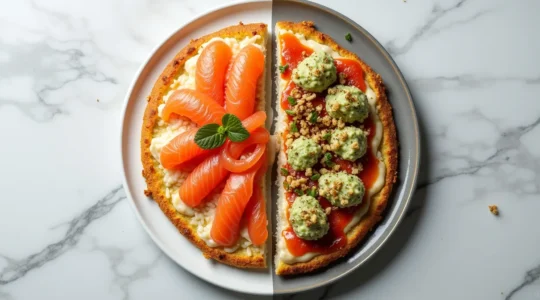
Toronto’s Fusion Food: How to Spot True Innovation from a Lazy Mashup
True Toronto fusion isn’t just a gimmick; it’s a culinary dialect with its own grammar of history, texture, and geography that separates authentic innovation from fleeting trends. Successful fusion, like Sushi Pizza, respects structural integrity, where textures and flavours enhance…
Read more
How to Find Authentic Global Eats in Toronto’s Strip Malls?
In summary: Unlock Toronto’s most authentic food by learning the unwritten rules of its suburban strip malls, where flavour trumps decor. Master practical skills like navigating cash-only restaurants, ordering from non-English menus, and calibrating your spice expectations. Understand that a…
Read more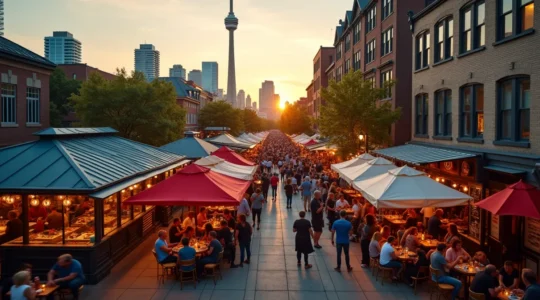
How to Prioritize Where to Eat in Toronto’s Massive Food Scene?
Conquering Toronto’s dining scene isn’t about knowing the ‘best’ restaurants, but mastering the hidden systems of access, timing, and value. The recent arrival of the Michelin Guide has intensified competition, making a strategic approach to reservations non-negotiable. True value lies…
Read more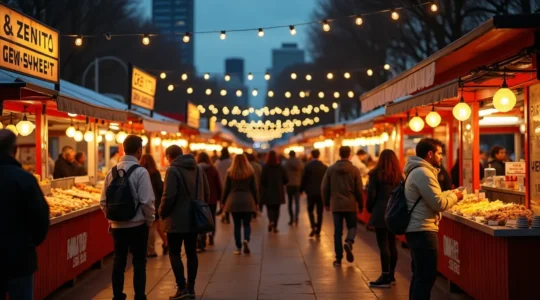
Become a Toronto Food Trend Hunter: Your Guide to Finding Viral Eats First
Finding Toronto’s next great food trend isn’t about luck; it’s about having the right culinary intelligence strategy. Leverage Instagram’s deeper features (tagged photos, location stories) to spot emerging chefs before the algorithm does. Judge fusion food by its integrity—does it…
Read more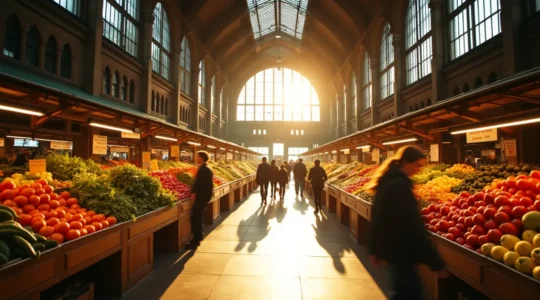
How to Shop Like a Chef at St. Lawrence Market?
Forget the tourist checklists; shopping St. Lawrence Market like a chef means decoding quality, not just buying what’s famous. True value is often found on Saturday afternoon, not first thing in the morning, as vendors look to clear fresh stock….
Read more
How to Eat Your Way Around the World in Toronto for Under $20 CAD?
The secret to Toronto’s best cheap eats isn’t a map of restaurants, but a strategy for decoding the city’s hidden food systems. Regulatory hurdles push the most authentic food out of downtown and into unexpected places like strip malls and…
Read more