Blog
Toronto’s urban landscape tells a story of transformation, where Victorian mansions stand alongside converted warehouses, and century-old commercial buildings house modern lofts. For those drawn to the character of historic cities, the decision to invest in, live within, or simply experience these spaces raises complex questions about preservation, cost, and authenticity. Whether you’re considering purchasing a heritage property in Cabbagetown, exploring luxury retail on Bloor Street, or seeking the perfect vantage point to capture the city’s skyline, understanding the realities behind the romantic facade proves essential.
This exploration examines four interconnected aspects of urban heritage engagement: the financial and practical considerations of owning historic properties, the nuances of luxury consumption in metropolitan centers, the lived experience of industrial conversions, and the art of documenting urban identity. Each dimension carries its own challenges and rewards, shaped by local regulations, market forces, and the ongoing tension between preservation and modernization.
Heritage Property Investment: Balancing Character With Cost
The appeal of owning a piece of architectural history in Toronto’s established neighbourhoods comes with financial realities that extend far beyond the purchase price. Heritage properties demand a different calculus than modern construction, one that accounts for regulatory constraints, elevated maintenance costs, and specialized expertise.
Understanding the True Cost of Ownership
Energy expenses in older structures typically exceed those of contemporary homes by 30-50% due to solid masonry walls, original windows, and heating systems designed for different fuel costs. A Victorian semi-detached home in The Annex, for instance, might require $3,000-$5,000 annually just for heating, compared to $1,500-$2,000 for a modern equivalent. Single-pane windows, high ceilings, and uninsulated walls create thermal bridges that no amount of thermostat adjustment can overcome without structural intervention.
Insurance presents another layer of complexity. Heritage properties often require specialized policies that account for the increased cost of period-appropriate materials and skilled craftspeople. Standard replacement cost coverage doesn’t address the reality that recreating decorative plasterwork, sourcing matching brick, or replicating original woodwork can cost three to four times the expense of modern alternatives. Some insurers in Ontario have created specific heritage property programs, but premiums typically run 15-25% higher than standard homeowner policies.
Navigating Regulatory Requirements
Properties designated under the Ontario Heritage Act require municipal approval for exterior alterations, and in some cases, significant interior changes. The permitting process through Toronto’s Heritage Preservation Services can extend project timelines by several months. Simple projects like replacing windows might require architectural drawings, heritage impact assessments, and committee reviews before any work begins.
Yet these constraints come with benefits. The city maintains a Heritage Property Tax Rebate program that refunds a portion of the heritage property tax component, and provincial grants through the Ontario Heritage Trust can offset restoration costs for significant projects. Owners who navigate the bureaucratic requirements successfully often discover that neighbourhood associations and heritage advocates become valuable resources for sourcing specialized contractors and materials.
Moisture, Structure, and Long-Term Preservation
Solid masonry walls, common in Toronto’s pre-1920s housing stock, breathe differently than modern cavity-wall construction. Applying contemporary waterproofing solutions can trap moisture within the brick, leading to spalling, efflorescence, and structural degradation. The freeze-thaw cycles of Toronto winters exacerbate these issues, making proper moisture management critical.
Environmental factors beyond your control—neighboring construction, changes in drainage patterns, mature tree roots—can compromise foundations and wall stability. A row of Victorian homes shares structural interdependence; your neighbor’s renovation choices affect your building’s performance. Timing major structural repairs becomes a strategic decision, ideally coordinated with adjacent property owners and scheduled during Toronto’s brief construction season.
Luxury Consumption and Investment Pieces
Toronto’s position as Canada’s financial capital has cultivated a robust luxury retail sector, particularly along the Bloor Street corridor between Yonge and Avenue Road, known colloquially as the Mink Mile. Understanding the economics of high-end purchases requires looking beyond the sticker price to consider taxes, authenticity, and strategic timing.
The Tax Landscape for Luxury Goods
Combined federal and provincial sales tax in Ontario adds 13% (HST) to luxury purchases, making a $5,000 handbag cost $5,650 at checkout. This tax burden has created a cross-border shopping phenomenon, with Toronto residents traveling to U.S. cities for major purchases, though customs duties and declaration requirements complicate the savings calculation. Some luxury brands maintain consistent global pricing that makes location less relevant, while others adjust for currency fluctuations and local market conditions.
Department store experiences vary significantly. Holt Renfrew’s flagship Bloor Street location offers personal shopping services and private appointment rooms, while Nordstrom’s former Toronto presence (before their Canadian withdrawal) emphasized a different service model. The retail landscape remains fluid, with some international brands operating standalone boutiques and others partnering with established Canadian retailers.
Authentication in Secondary Markets
Toronto’s consignment shops and online resale platforms—from established boutiques in Yorkville to digital marketplaces—have democratized access to luxury goods while raising authentication concerns. Counterfeiters have become increasingly sophisticated, replicating serial numbers, dust bags, and even receipt formats. Reputable consignment shops employ trained authenticators or third-party verification services, but buyer vigilance remains essential.
Investment-grade pieces—limited edition collaborations, classic styles with consistent resale value—require proper care to maintain their worth. Climate-controlled storage, professional cleaning, and protective measures against humidity (particularly relevant in Toronto’s variable climate) help preserve condition. The difference between a well-maintained vintage piece and a neglected one can represent thousands of dollars in resale value.
Strategic Timing and Value Optimization
End-of-season sales in Toronto’s retail calendar typically occur in July (for spring/summer) and January (for fall/winter), with discounts reaching 40-60% on previous season inventory. However, classic pieces that transcend seasonal trends rarely see significant markdowns. Understanding which items merit full-price purchase versus patient waiting requires knowledge of brand practices and style longevity.
Adaptive Reuse Living: Industrial Conversions and Modern Realities
The transformation of Toronto’s industrial districts—King West, Liberty Village, the Distillery District—into residential lofts represents one of the city’s most visible urban evolution stories. The aesthetic appeal of exposed brick, soaring ceilings, and open-concept layouts attracts buyers seeking distinctive living spaces, but the practical realities often diverge from the marketing imagery.
Acoustic Challenges in Open Spaces
Hard surfaces that create the industrial aesthetic—concrete floors, brick walls, minimal soft furnishings—produce problematic acoustics. Sound bounces rather than absorbs, creating echo and amplifying noise from neighbors, street traffic, and building systems. A conversation at normal volume can carry across a 1,200-square-foot open loft, making privacy difficult and multi-person households challenging.
Addressing acoustic issues requires strategic intervention: area rugs over concrete, acoustic panels disguised as artwork, strategic furniture placement to break up sound paths. Some loft dwellers install glass partition walls to create defined rooms without sacrificing light, though this compromises the pure open-concept aesthetic that initially attracted them.
Heating Efficiency in High-Ceiling Spaces
Ceiling heights of 12-16 feet create dramatic volume but challenge heating systems designed for standard 8-9 foot residential spaces. Heat rises, leaving lower living areas cool while upper volumes near the ceiling become uncomfortably warm. Ceiling fans help circulate air, but heating costs in converted lofts can exceed similar-sized conventional condos by 30-40% during Toronto’s winter months.
Supplementary heating solutions—in-floor radiant systems, zone-controlled heating, strategic space heater placement—help manage comfort and costs. Some loft buildings with original single-pane industrial windows face particular challenges, as replacement windows in heritage-designated buildings require approval processes that many condo boards avoid, leaving residents to manage inefficient glazing.
Resale Considerations and Market Timing
Loft inventory in Toronto remains relatively limited compared to standard condo stock, creating a niche market. True hard lofts (converted industrial buildings) command premiums over soft lofts (new construction mimicking industrial aesthetics) among buyers seeking authenticity. However, this same specificity narrows the buyer pool—families with young children often find open layouts impractical, and buyers seeking move-in ready spaces may balk at the modifications needed to make industrial conversions livable.
Market timing for unique inventory requires patience. While standard condos maintain relatively liquid markets, distinctive loft spaces may sit longer waiting for the right buyer but can command premium prices when that buyer appears. Understanding comparable sales within specific buildings and sub-markets becomes more critical than broader market trends.
Experiencing and Documenting Urban Identity
Toronto’s skyline—dominated by the CN Tower but enriched by architectural diversity from different eras—presents both opportunities and challenges for those seeking to capture the city’s character visually. Moving beyond tourist clichés requires understanding vantage points, lighting conditions, and the relationship between built form and urban identity.
Observation Deck Economics
The CN Tower’s main observation level charges approximately $40 per adult, with the higher SkyPod adding another premium. For casual visitors, this represents a significant expense for what amounts to 30-60 minutes of viewing time. The experience provides unmatched 360-degree perspectives and recognizable context, but photographers seeking specific shots may find the enclosed viewing areas and reflective glass limiting.
Alternative vantage points scattered throughout the city offer different perspectives without admission fees. The Toronto Island ferry ($8.70 round trip) provides waterfront skyline views and foreground interest from Lake Ontario. The Broadview Avenue extension north of Danforth offers an elevated eastern perspective. Parkettes and elevated positions in neighborhoods like Casa Loma or along the Scarborough Bluffs present context-rich alternatives to the standard downtown-centric view.
Light, Weather, and Timing
Toronto’s latitude (43.7°N) creates significant seasonal variation in light quality and sun angles. Summer evenings offer extended golden hour light stretching past 8:00 PM, while winter’s early sunset (around 4:30 PM at solstice) requires planning afternoon shoots. The city’s position on Lake Ontario means weather patterns can shift rapidly, with morning fog, midday clarity, and evening cloud buildup all possible within the same day.
Blue hour—the 20-30 minutes after sunset when artificial lights activate but sky retains color—offers the classic cityscape aesthetic of illuminated buildings against colored sky. This narrow window demands preparation: location scouted, composition planned, equipment ready. Weather apps provide sunset times, but actual optimal shooting windows depend on cloud cover and atmospheric conditions that require on-site assessment.
Capturing Character Beyond Icons
Toronto’s urban identity extends beyond its tallest towers to encompass neighborhood textures: the Victorian bay-and-gable repetition of residential streets, graffiti-covered laneways transformed into art destinations, the juxtaposition of glass towers and historic churches. Documentary approaches that capture human-scale details often convey more authentic sense of place than wide skyline vistas.
Markets like St. Lawrence, ethnic commercial corridors along Gerrard India Bazaar or along Spadina’s Chinatown, the Distillery District’s pedestrian spaces—these locations offer visual richness that reflects the city’s lived experience. The challenge lies in finding fresh perspectives on frequently photographed locations, requiring patience, repeated visits at different times, and willingness to explore beyond the immediately obvious composition.
Engaging deeply with Toronto’s urban heritage—whether through property ownership, conscious consumption, distinctive living spaces, or visual documentation—requires moving beyond surface aesthetics to understand the practical, financial, and regulatory realities that shape these experiences. Each dimension offers rewards for those willing to navigate its complexities, creating connections to place that transcend conventional tourist or resident relationships with the city.

How to Photograph the Toronto Skyline Like a Pro
In summary: Professional skyline photography is about deliberate planning—mastering light, weather, and season—not just finding the right location. Embrace technical pre-visualization using tools like weather webcams and sun-tracking apps to predict the perfect shooting conditions. Move beyond wide-angle shots by…
Read more
Beyond the Brick: The Realist’s Guide to Living in a Toronto Hard Loft
The unique character of a Toronto hard loft is matched only by its unique structural challenges, but understanding the building science behind them is the key to mitigating risks and costs. Sound issues are rarely due to thin walls but…
Read more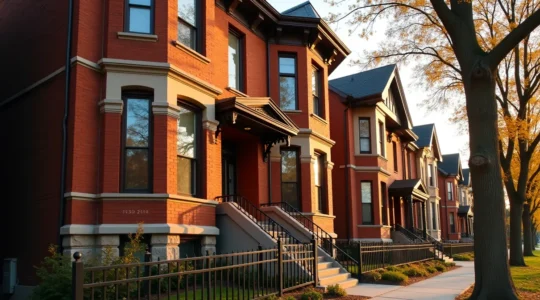
How to Renovate an Edwardian Home in Toronto Without Losing Its Character?
In summary: Renovating an Edwardian home requires understanding its original building science, not just aesthetics. Key risks include outdated knob-and-tube wiring, improper insulation causing mold in double-brick walls, and deteriorating slate roofs. Focus on material compatibility, such as using breathable…
Read more
How to Shop for Designer Fashion in Toronto Like an Insider (and Actually Save Money)
In summary: Treating Toronto luxury purchases as strategic assets, not just expenses, is the key to maximizing value. Understanding cross-border pricing, authentication, and local maintenance is non-negotiable for the discerning buyer. Leverage personal shopping relationships and seasonal sale calendars for…
Read more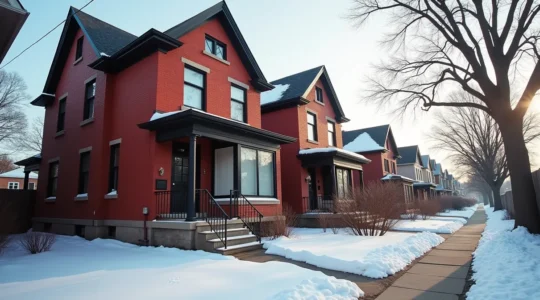
How to Maintain a Toronto Victorian Home Without It Bankrupting You
The key to affording a Toronto Victorian isn’t a bigger budget; it’s mastering the art of strategic triage—knowing which historic ‘features’ are money pits and which are just charming quirks. Your biggest financial drains are unseen: crumbling foundations, knob-and-tube wiring,…
Read more