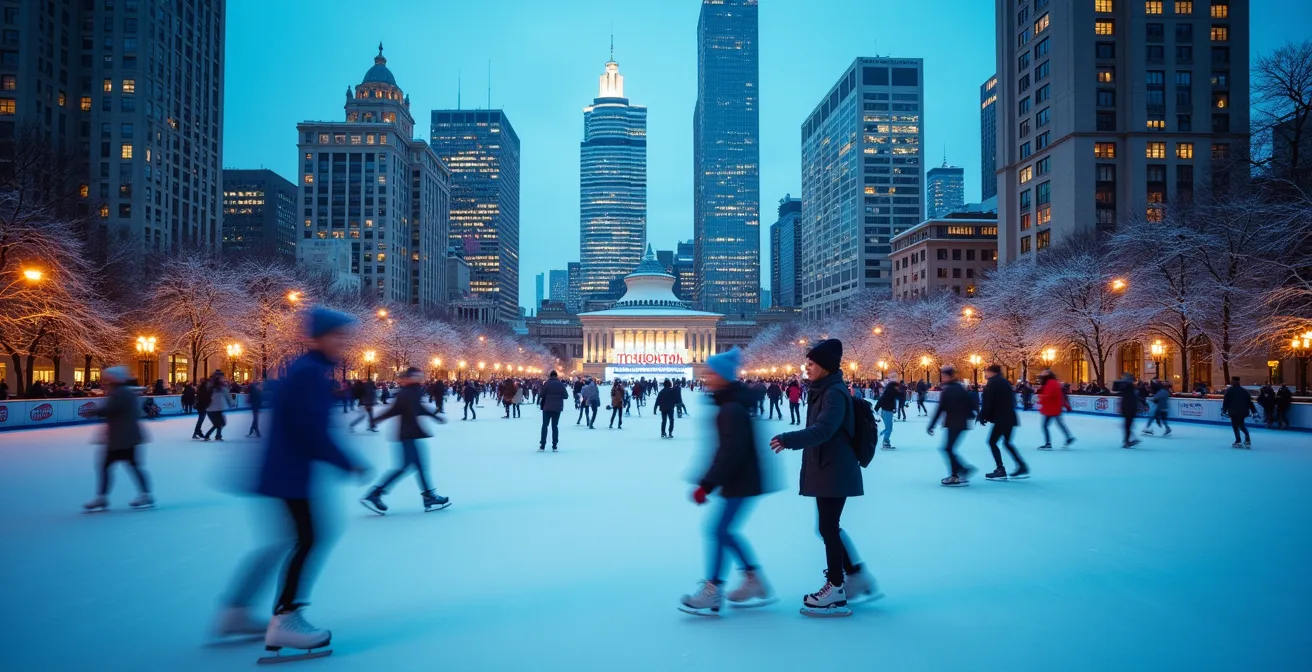
Toronto’s public squares are more than just postcard settings; they are complex civic ecosystems with their own rules and rhythms. To truly make the most of them, you need to move beyond the event calendar and master the practical logistics—from knowing the strict alcohol bylaws to understanding crowd dynamics during a protest. This guide provides the insider knowledge you need to engage with these vital urban spaces safely, respectfully, and effectively, all year long.
For many Torontonians, our public squares are the backdrop to city life—a place for a quick lunch, a winter skate, or a summer concert. We see the schedules for the Cavalcade of Lights or the big-name shows at Yonge-Dundas and think we understand them. But this official programming is only half the story. These spaces are also where democracy unfolds, communities gather, and the city’s pulse can be felt most strongly. Simply showing up isn’t the same as truly participating.
The common advice is to “check the city’s website” or “dress for the weather,” but this misses the point. The real key to unlocking the potential of our squares lies in understanding them as living, breathing civic ecosystems. It’s about knowing the unspoken rules, the practical workarounds, and your role within the collective. It’s not just about what to see, but how to be a part of it. This guide is built on a different premise: that true enjoyment comes from public space literacy.
We’ll explore the nuances that separate a tourist from an engaged resident. We’ll delve into the legal frameworks that govern these spaces, compare their distinct personalities for different activities, and provide actionable strategies for everything from staying warm at a winter market to participating safely in a political rally. This is your manual for becoming a fluent user of Toronto’s most important shared spaces.
For those who prefer a visual summary, the following video offers a dynamic glimpse into the energy and life of Nathan Phillips Square, complementing the practical advice in this guide.
To help you navigate this comprehensive guide, we have structured the information around the key questions and comparisons that matter most to a resident. The following summary outlines the path we will take to build your expertise.
Summary: A Resident’s Guide to Toronto’s Civic Spaces
- Why Can’t You Drink Alcohol Openly in Toronto Public Squares?
- How to Connect to Reliable Free Wi-Fi in City Squares?
- Yonge-Dundas vs. Nathan Phillips: Which Square Has Better Free Concerts?
- The Crowd Safety Mistake to Avoid During Political Protests
- When Does the Rink at Nathan Phillips Square Offer Skate Rentals?
- Nathan Phillips Square vs. Distillery: Which Market Is Better for Kids?
- How to Photograph Rick Mercer’s Alley Without Angering Locals?
- How to Enjoy Toronto’s Winter Markets Without Freezing?
Why Can’t You Drink Alcohol Openly in Toronto Public Squares?
One of the most common questions from residents and visitors alike is why you can’t enjoy a casual beer or glass of wine in our major public squares. The answer lies in provincial law and municipal bylaws, which strictly prohibit the consumption of alcohol in unlicensed public places. For major hubs like Nathan Phillips Square and Yonge-Dundas Square, this rule is enforced rigidly. Ignoring it is not just a social faux pas; it can result in a set fine of $300, a steep price for a public drink.
The primary reason for this restriction is that these squares are classified as major event venues. The city’s ability to host large, safe, all-ages events depends on maintaining control over alcohol consumption. While Toronto has a pilot program allowing alcohol in 27 designated parks, major civic squares are explicitly excluded. This ensures a predictable and manageable environment for everything from cultural festivals to political rallies.
This doesn’t mean you’re without options. For those looking to enjoy a drink outdoors with a view, there are several legal and pleasant alternatives:
- Seek Licensed Patios: Many restaurants and bars surrounding squares like Yonge-Dundas have patios that offer a prime vantage point for people-watching and soaking in the atmosphere.
- Attend Ticketed Events: Major events held at Nathan Phillips Square, like the Cavalcade of Lights or New Year’s Eve celebrations, often feature designated, fenced-in beer or wine gardens where alcohol can be legally purchased and consumed.
- Visit Designated Parks: If your goal is simply to have a drink in an open green space, you can head to one of the parks included in the city’s Alcohol in Parks Program, but remember to stay at least two metres away from playgrounds and other sensitive areas.
How to Connect to Reliable Free Wi-Fi in City Squares?
In our hyper-connected world, reliable internet access is a necessity, even when you’re enjoying the city’s open spaces. The City of Toronto’s ConnectTO program provides free public Wi-Fi at many civic locations, including Nathan Phillips Square. Connecting is usually straightforward, but knowing the process and having a backup plan can save you from frustration. The key is to look for the official network and be prepared for the terms of service agreement.
The introduction of this public utility reinforces the role of these squares as true civic hubs, accessible to everyone for work, communication, or leisure. The following illustration captures this blend of public space and digital connection at the heart of our city.

As seen here, technology is an integral part of how we experience our city. To ensure a smooth connection, follow these steps:
- At civic centres like City Hall (adjacent to Nathan Phillips Square), search for the Wi-Fi network named “City_of_Toronto”.
- Once you select it, a browser page should open prompting you to accept the terms and conditions. You must do this to gain access.
- If the connection is weak or unavailable, the nearby Toronto Public Library branches are excellent backup locations with robust, free Wi-Fi.
- For sensitive activities like online banking, it is highly recommended to use a Virtual Private Network (VPN) to secure your data on any public network.
- Before you go, it’s wise to download the City’s official Wi-Fi map to locate over 250 free hotspots, so you always know where to find a signal.
Yonge-Dundas vs. Nathan Phillips: Which Square Has Better Free Concerts?
When it comes to free outdoor concerts, Toronto’s two most famous squares offer distinctly different experiences. Choosing the right one depends entirely on the atmosphere you’re looking for. Yonge-Dundas Square is a high-energy, commercially driven venue, while Nathan Phillips Square serves as the city’s more spacious, family-oriented cultural stage. Understanding this fundamental difference in their identities is key to planning your outing.
Yonge-Dundas Square, with its towering digital screens and dense crowds, often hosts pop concerts and brand-sponsored events. The vibe is electric and urban, but it’s almost always standing-room-only. In contrast, Nathan Phillips Square is the go-to for city-run multicultural festivals and series like the “City Hall Live” shows. With 1.8 million visitors annually, it is designed for large, diverse crowds, offering more space to spread out with a blanket or chair.
The following table breaks down the key differences to help you decide which square best suits your concert-going style.
| Feature | Nathan Phillips Square | Yonge-Dundas Square |
|---|---|---|
| Venue Type | City-run multicultural festivals | Commercial & brand-sponsored events |
| Atmosphere | Family-friendly, spacious, picnic-style | High-energy, dense crowds, standing room |
| Acoustic Quality | Better (enclosed design) | Standard open-air acoustics |
| Major Events | Cavalcade of Lights, City Hall Live series | Pop concerts, commercial launches |
| Post-Concert Options | Peaceful stroll, winter skating | Eaton Centre shopping and dining |
Case Study: The 2019 Raptors Victory Parade
Nathan Phillips Square’s unique capacity as the city’s premier celebration space was cemented on June 17, 2019. The victory parade for the Toronto Raptors culminated at the square, drawing an estimated 2 million attendees. This event, the largest single public gathering in Canadian history, showcased the square’s ability to host moments of immense cultural significance that a commercially-oriented space could not accommodate in the same way.
The Crowd Safety Mistake to Avoid During Political Protests
Public squares are the heart of our city’s civic life, and that includes being the primary venues for political protests and rallies. While exercising your right to assembly is fundamental, your personal safety is paramount. The single biggest mistake participants make is having a poor sense of situational awareness—specifically, not planning exit routes or understanding how crowd control tactics work. Getting caught in the middle of a dense crowd without an escape plan can lead to dangerous situations like “kettling,” where police lines form on multiple sides.
As a responsible citizen, preparing for a protest is about more than just making a sign. It involves understanding the physical space and having a clear safety plan. This means knowing the layout of the square, identifying potential hazards, and coordinating with your companions. The goal is to make your voice heard while minimizing personal risk.
Your Action Plan for Safe Protest Participation
- Identify PATH Entrances: Before entering the crowd at Nathan Phillips Square, locate the entrances to the underground PATH system. This network provides crucial alternative evacuation routes that are separate from street-level exits.
- Set Pre-Meeting Points: Establish clear meeting points with your group away from the square itself. Good examples include the Old City Hall clock tower or specific, easily identifiable coffee shops on Queen Street.
- Look for Liaison Officers: Keep an eye out for Toronto Police Community Liaison Officers. They wear distinctive vests and are trained in de-escalation, serving as a point of contact for assistance or information.
- Stay on Crowd Peripheries: Avoid the dense center of the crowd. Staying on the edges makes it easier to move, leave quickly if necessary, and avoid being trapped if police lines form.
- Maintain Multiple Exit Routes: Constantly be aware of your surroundings. Always keep at least two different exit routes in mind and avoid getting pinned between buildings, barriers, or dense parts of the crowd.
When Does the Rink at Nathan Phillips Square Offer Skate Rentals?
The skating rink at Nathan Phillips Square is arguably Toronto’s most iconic winter attraction. For residents without their own gear, the availability of on-site skate and helmet rentals is what makes a spontaneous visit possible. The rink, along with its rental services, typically operates from late November through mid-March, though the exact dates are always weather-permitting. It’s best to check the City of Toronto’s official website for precise opening and closing dates each season.
The rental kiosk is located in the skate pavilion on the west side of the rink, offering a range of sizes for both children and adults. Be aware that on weekends and evenings, especially during the holidays, there can be long lines for rentals. Arriving earlier in the day or on a weekday is a good strategy to avoid the biggest crowds.
A Historic First: The Rink’s 1964 Opening
The skating rink holds a special place in Toronto’s history. It was officially opened by Mayor Philip Givens on November 29, 1964, making it the very first part of the new City Hall complex to become operational. Its completion was rushed ahead of the municipal election that December, cementing its role as a space for public enjoyment from the very beginning. This tradition of providing a free, accessible winter activity has been a cornerstone of the square’s identity ever since.
The rink operates with daily hours, typically from morning until late evening, offering a magical experience under the city lights after dark. It’s a quintessential Toronto experience that is made accessible to all through its convenient rental services.
Nathan Phillips Square vs. Distillery: Which Market Is Better for Kids?
During the holiday season, Toronto offers two premier winter market experiences: the Holiday Fair at Nathan Phillips Square and the Distillery Winter Village. While both are festive, they cater to very different family needs, and choosing the right one can make or break an outing with children. For families with toddlers and young kids, the Holiday Fair at Nathan Phillips Square is the clear winner due to its open space, free admission, and practical amenities.
The Distillery District’s cobblestone streets and narrow pathways, while charming, can be a nightmare to navigate with a stroller. Combined with the large, dense crowds and a paid timed-entry system on evenings and weekends, it’s an environment better suited for older kids or adults. In contrast, Nathan Phillips Square offers a wide-open, paved layout that is perfect for strollers and for letting little ones move around more freely. This illustration captures the joyful, family-centric atmosphere you can expect.

The comparison below highlights the practical considerations that make Nathan Phillips Square a more relaxed choice for families with young children.
| Factor | Nathan Phillips Holiday Fair | Distillery Winter Village |
|---|---|---|
| Stroller Access | Excellent – open concept layout | Challenging – narrow cobblestones |
| Entry Cost | Free admission | Paid timed-entry tickets (evenings/weekends) |
| Best For Ages | Toddlers and young children | Older kids who can handle crowds |
| Activities | Ice skating, carousel | Light displays, Santa visits |
| Facilities | City Hall washrooms & changing areas | Limited and crowded facilities |
| Overall Vibe | Active and spacious | Magical but congested |
How to Photograph Rick Mercer’s Alley Without Angering Locals?
The iconic alley famous from the Rick Mercer Report is a popular spot for fans and photographers. However, unlike the officially sanctioned Graffiti Alley (Rush Lane), this is a working laneway in a dense residential and commercial area. Showing up with bulky equipment during peak hours is a quick way to draw the ire of locals and delivery drivers. The key to capturing your shot without causing a disturbance is to be quick, discreet, and respectful.
Think like a documentarian, not a film director. The goal is to blend in, not take over the space. This means choosing the right time to visit and using the right equipment. Forget tripods, lighting setups, and large camera bags; they block passage and signal a disruptive photo shoot. A smartphone or a small mirrorless camera is more than sufficient and far less intrusive.
To ensure your photographic expedition is a positive experience for everyone, follow these respectful guidelines:
- Visit at off-peak hours, such as sunrise on a weekend morning, to avoid weekday commuters and delivery trucks.
- Keep your gear minimal. A large DSLR with a long lens can feel intimidating and invasive to residents.
- Never block the alley. Tripods or light stands are out of the question. Always be ready to move for a passing car or pedestrian.
- Focus on artistic details rather than wide, establishing shots that might include private windows or doorways.
- Be efficient. Plan your shot in advance and aim to be in and out in under 10 minutes to minimize your footprint.
- If your main interest is street art, consider visiting Graffiti Alley (Rush Lane) instead. It is a much larger, publicly celebrated space for street art photography where photographers are expected and welcome.
Key Takeaways
- Public alcohol consumption in major squares is illegal and carries a $300 fine; seek licensed patios or designated event areas instead.
- Nathan Phillips Square offers a family-friendly, civic festival atmosphere, while Yonge-Dundas Square provides high-energy, commercial events.
- For winter activities, proper layering with a moisture-wicking base and windproof outer shell is non-negotiable for comfort.
How to Enjoy Toronto’s Winter Markets Without Freezing?
Enjoying an outdoor winter market in Toronto is a battle against the elements. The city’s damp, biting cold can cut an enjoyable outing short if you’re not properly prepared. The secret to a successful visit isn’t just wearing a warm coat; it’s a strategic approach to layering, warming stations, and gear. Many visitors make the mistake of wearing stylish but impractical footwear, only to have their day ruined by cold, wet feet. Waterproof, insulated boots are your single most important piece of equipment.
The next layer of strategy involves using the urban environment to your advantage. Both Nathan Phillips Square and the Distillery District have accessible indoor spaces that can be used as tactical warming stations. Ducking inside for 5-10 minutes every half hour can reset your body’s internal temperature and dramatically extend your time outdoors. At Nathan Phillips Square, the City Hall lobby and the underground PATH system are invaluable resources for this.
To survive and thrive at a Toronto winter market, build your plan around this survival guide:
- Layer intelligently: Start with a moisture-wicking base layer (like merino wool), add a fleece mid-layer for insulation, and finish with a windproof and waterproof outer shell.
- Use warming stations frequently: Make regular use of the City Hall lobby or the heated skate pavilion at Nathan Phillips, or the small boutiques in the Distillery District.
- Buy a hot beverage immediately: A hot chocolate or cider serves a dual purpose as both a warm drink and a temporary hand warmer while you browse the stalls.
- Invest in chemical warmers: Products like HotPaws, available at stores like Canadian Tire or Shoppers Drug Mart, are inexpensive and provide hours of targeted heat for your hands and feet.
–
–
Now that you’re equipped with this knowledge, your next step is to actively and responsibly engage with these vital civic spaces. Explore, participate, and help shape the public life of our city.